




















18067909587
工作日 9:00-19:00
中文简体
Most global conservation funds go to larger, charismatic animals, leaving critically important but less fashionable species deprived, a 25-year study has revealed.
一项为期25年的研究表明,全球大多数保护资金都流向了体型较大、更受欢迎的动物,而那些至关重要但不太受欢迎的物种却得不到资金支持。
Scientists have found that of the $1.963 billion allocated to projects worldwide, 82.9% was assigned to vertebrates. Plants and invertebrates each accounted for 6.6% of the funding, while fungi and algae were barely represented at less than 0.2%.
科学家发现,在全球各项目分配的19.63亿美元资金中,82.9%被用于脊椎动物。 植物和无脊椎动物分别只占6.6%的资金,而真菌和藻类所占的资金比例极低,不到0.2%。
Disparities persisted among vertebrates, with 85% of all resources going to birds and mammals, while amphibians received less than 2.8% of funding.
脊椎动物之间也存在资金分配不均的情况,85%的资金流向了鸟类和哺乳动物,而两栖动物所获得的资金不到2.8%。
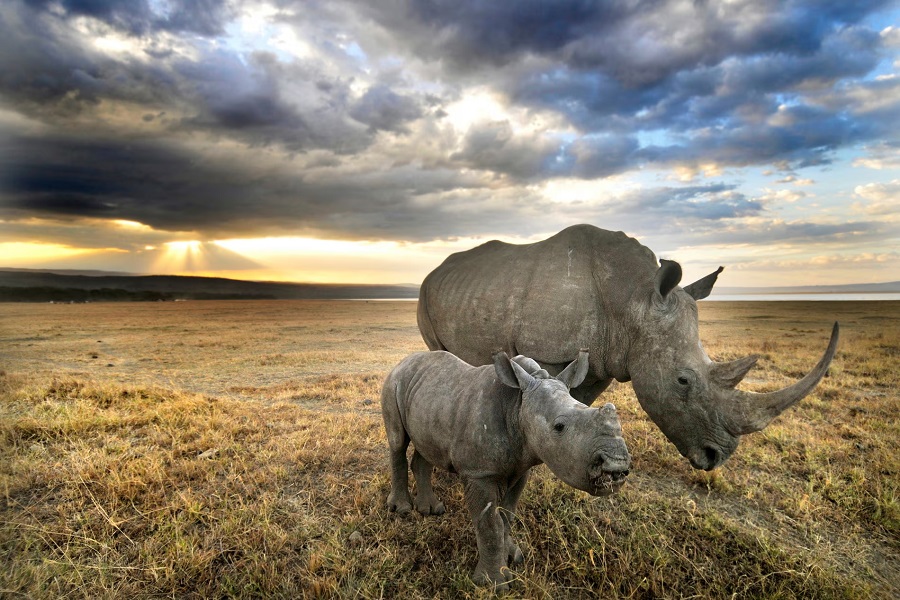
Further funding bias was found within specific groups such as large-bodied mammals towards elephants and rhinoceros. Although they represent only a third of that group, they were the focus of 84% of such conservation projects and received 86% of the funding.
在特定群体内,如大型哺乳动物,资金偏向的情况也更为明显,大象和犀牛获得的资金最多。 尽管它们只占该群体的三分之一,但在重点保护项目中占84%,并获得了86%的资金。
Meanwhile mammals such as rodents, bats, kangaroos and wallabies remained severely underfunded, despite being considered endangered.
与此同时,尽管认为啮齿动物、蝙蝠、袋鼠和沙袋鼠等哺乳动物是濒危物种,但它们的资金却严重不足。
"Nearly 94% of species identified as threatened, and thus at direct risk of extinction, received no support," said Benoit Guenard, the lead author of the study. "Protecting this neglected majority, which plays a myriad of roles in ecosystems and represents unique evolutionary strategies, is fundamental if our common goal is to preserve biodiversity."
该研究的主要作者贝诺特·吉纳尔德表示:“近94%被列为濒危物种、因此直接面临灭绝风险的物种没有得到任何支持。 如果我们的共同目标是保护生物多样性,那么保护这些被忽视的、 在生态系统中发挥着无数作用并代表着独特进化策略的物种是至关重要的。”
Alice Hughes, a coordinating lead author of the research, said: "The sad reality is that our perception of 'what is threatened' is often limited, and so a few large mammal species may receive more funding than the near-12,000 species of reptile combined."
该研究的主要通讯作者爱丽丝·休斯表示:“可悲的现实是,我们对‘什么受到威胁’的认识往往有限, 因此,少数几种大型哺乳动物所获得的资金可能比近1.2万种爬行动物的总和还要多。”
"Not only does this limit our ability to implement protective measures, but it closes opportunities to researchers. I have lost count of the number of times collaborators have switched taxa (organism populations) purely because theirs was difficult to fund. This leads to a chicken and egg situation – some of the groups with the highest rates of recent extinction, like freshwater snails, have the most outdated assessments."
“这不仅限制了我们实施保护措施的能力,还剥夺了研究人员的机会。 我已经数不清有多少次,合作者因为难以获得资金而转投其他生物类群。 这形成一种恶性循环——最近灭绝率最高的一些群体,如淡水蜗牛, 其评估结果早已过时。”
The study, led by Guenard and colleagues at the University of Hong Kong, analysed 14,566 conservation projects spanning a 25-year period between 1992 and 2016.
由吉纳尔德和香港大学的同事领导的研究分析了1992年至2016年间跨越25年的14566个保护项目。
A comparison of the amount of funding per species was drawn against each species' status in the International Union for Conservation of Nature's red list of threatened species, which gives an assessment on animal extinction risk levels.
将每种物种的资助金额与其在国际自然保护联盟(IUCN)濒危物种红色名录中的状态进行了比较,该名录对动物的灭绝风险水平进行了评估。
"We are in the midst of a global species extinction crisis," said research author Bayden Russell. "The number of threatened species is increasing at an unprecedented rate across a wide range of groups and regions globally."
研究作者贝登·罗素说:“我们正处于全球物种灭绝危机之中。” “在全球范围内,各类生物群体和地区的濒危物种数量正以前所未有的速度增加。”
"We need to change how we think about conservation funding. The community needs to be educated about the value of biodiversity and protecting species that are under threat, not just those that we have an affinity to."
“我们需要改变对保护资金的看法。 社会需要了解生物多样性的价值,并保护那些濒临灭绝的物种, 而不仅仅是那些我们喜爱的物种。”
The research highlighted a larger funding imbalance than had previously been identified, and found that despite their importance to ecosystems, the bias against invertebrates could be up to 40% higher than previously reported.
这项研究揭示的资金分配不平衡问题比以往所发现的要更为严重,并发现尽管无脊椎动物对生态系统至关重要, 但针对它们的资金偏见可能比此前报告的要高出多达40%。
The majority of all projects (57%) and funding (53%) also protected single species, instead of focusing on multiple creatures.
大多数项目(57%)和资金(53%)也仅用于保护单一物种,而不是关注多种生物。
"Governments, in particular those which represent the main pool of funding, need to follow a more rigorous and scientifically-driven approach in conservation funding," said Guenard. "Further global cooperation to study and protect species-rich groups, as well as share information on conservation investments, is also urgently needed."
“各国政府,特别是那些代表主要资金来源的政府, 需要在保护资金方面采取更加严格和科学的方法,”吉纳尔德说。 “进一步开展全球合作,研究和保护物种丰富的群体,并分享保护投资的信息, 也是迫切需要的。”