



















18067909587
工作日 9:00-19:00
中文简体
The American government's new guidelines on healthy eating, published on January 7th, have both elicited applause and furrowed the brows of nutrition experts. If you actually eat what the guidelines suggest, you will exceed the healthy limits they set on specific nutrients.
1月7日,美国政府发布了新的健康饮食指南, 引来了掌声,也让营养专家们眉头紧锁。 实际上,若按照指南建议进食,特定营养素的摄入量将会超出其设定的健康上限。
The big-picture message is not controversial. The new guidelines say what earlier editions—and nutritionists—have said for decades: eat lots of fruits and vegetables, a variety of foods rich in protein, and whole grains rather than refined ones (such as white bread). Avoid sugary drinks and processed foods with lots of additives that you'd struggle to pronounce; cut down on alcohol, too.
新指南传达的整体信息并无争议。 它重申了往期版本以及营养学家数十年来一直强调的观点:多吃水果和蔬菜, 摄入富含蛋白质的多种食物,选择全谷物而非精制谷物(如白面包); 避免含糖饮料和添加剂多到难以读出名称的加工食品;同时减少饮酒。
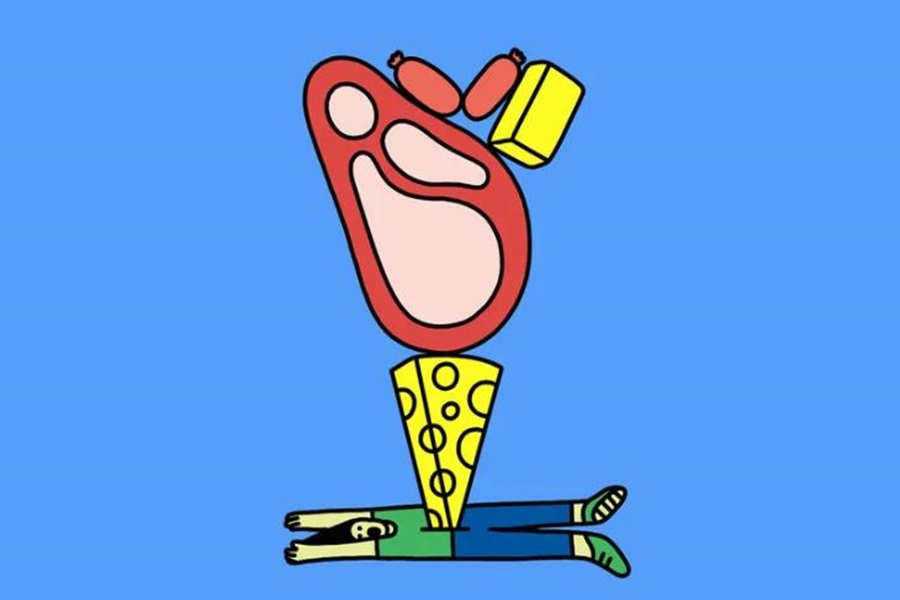
Many nutrition experts have been angered, however, by the new focus on meat and animal fats such as butter and beef tallow (which the guidelines call "healthy fats"). Rightly so, considering the scientific evidence. The image published alongside the guidelines—meant to convey, at a glance, what to eat more or less of—is an inverted pyramid in which meat, dairy products and vegetables are at the top (eat lots of them) and grains are at the bottom (eat sparingly). A marbled steak, a piece of cheese, whole milk and a slab of butter visually dominate the section representing protein and "healthy fats".
然而,许多营养专家对新指南中关于肉类和动物脂肪 (如黄油和牛油,指南称之为“健康脂肪”)的新关注点感到愤怒。 考虑到科学证据,他们的愤怒不无道理。 与指南一同发布的图片旨在让人一眼看出应多吃和少吃的食物,它是一个倒金字塔,肉类、 乳制品和蔬菜位于顶端(应多吃),谷物位于底部(应少吃)。 在代表蛋白质和“健康脂肪”的部分,一块大理石花纹的牛排、一块奶酪、一杯全脂牛奶和一块黄油在视觉上占据了主导地位。
The problem with getting your fats from red meat and animal products is that a lot of them are saturated. A diet high in these fats leads to more artery-clogging cholesterol in the blood, a leading risk factor for heart attacks. A healthier choice is to replace them with unsaturated fats, which are the dominant kind in vegetable oils such as those from olives, rapeseed (canola) or sunflower seeds. Oils from seeds, however, have been a thorn in the side of Robert F. Kennedy junior, America's health secretary, who has maligned them as poisonous—a claim not supported by the scientific evidence.
从红肉和动物产品中获取脂肪的问题在于,其中很多是饱和脂肪。 高饱和脂肪饮食会导致血液中堵塞动脉的胆固醇增多,这是引发心脏病的主要风险因素。 更健康的选择是用不饱和脂肪来替代它们,不饱和脂肪是橄榄油、 菜籽油(芥花油)和葵花籽油等植物油中的主要脂肪类型。 然而,种子油一直是美国卫生部长小罗伯特·F·肯尼迪的眼中钉, 他诋毁这些油有毒——这一说法并无科学依据支持。
The meat-and-butter makeover of the guidelines is also at odds with their advice elsewhere to cap your daily consumption of saturated fat at roughly 20-30 grams (a limit that has long been in place). Just by itself, the marbled steak pictured on the cover of the new guidelines could push you through that ceiling. The recommended three servings of full-fat dairy products will add an extra 15g or so of saturated fat. Cooking anything with butter or beef tallow means adding 7g more with each tablespoon.
此外,指南中强调肉类和黄油的建议,与指南中其他地方建议的每日饱和脂肪摄入量上限(约20-30克,这一限制由来已久)相矛盾。 仅新指南封面上那块大理石花纹的牛排,就可能让你超过这个上限。 指南建议的三份全脂乳制品还会额外增加约15克饱和脂肪。 用黄油或牛油烹饪任何食物,每汤匙都会增加7克饱和脂肪。
The guidelines' edict to aim for 1.2-1.6g of protein per kilogram of body weight (g/kg) are achievable only if you are really into meat. For someone who weighs 80kg it will take three lean chicken breast fillets. If you are vegetarian, you are looking instead at 17 eggs, a kilogram of cooked beans or 3.3 litres of milk. Whether you actually need this much protein is questionable. The World Health Organisation suggests 0.8g/kg of body weight to keep healthy. Protein is a macronutrient you need to build and maintain muscle mass. If your new year's goal, say, is to build bigger muscles and you are doing the gym work for it, 1.6g/kg is the upper end of what you would need.
指南建议每千克体重摄入1.2-1.6克蛋白质(g/kg),这一目标只有真正爱吃肉的人才能实现。 对于体重80公斤的人来说,需要吃三块瘦鸡胸肉。 如果你是素食主义者,那么需要吃17个鸡蛋、一公斤煮熟的豆子或3.3升牛奶。 实际上,你是否需要这么多蛋白质还存疑。 世界卫生组织建议,为保持健康,每千克体重摄入0.8克蛋白质即可。 蛋白质是构建和维持肌肉质量所需的宏量营养素。 如果你的新年目标是增肌,并且正在为此进行健身训练,那么1.6g/kg是你所需摄入量的上限。
Though muddled, the basic advice in the new guidelines—eat a balanced diet of fresh and freshly cooked foods prepared in a healthy way—is largely sensible. Just don't overdo the calories or saturated fats.
尽管新指南的基本建议有些混乱,但大体上是合理的,即以健康的方式食用新鲜且现做的食物,保持均衡饮食。 只是不要摄入过多热量或饱和脂肪。