



















18067909587
工作日 9:00-19:00
中文简体
In the 1980s the German Democratic Republic's Eberswalder Wurstwerke was the biggest maker of sausages in Europe, with around 3,000 workers. The 65-hectare production site had its own hairdresser, clinic, library and restaurant. Those communist days are long gone. Last week the roughly 500 remaining employees learned that the newish (west German) owner of the company, which enjoys a cult of devoted customers for its skinless bratwurst and Schorfheider Knueppelsalami, would close its factory in Britz by the end of February.
20世纪80年代,德意志民主共和国的埃伯斯瓦尔德香肠厂曾是欧洲最大的香肠生产商,拥有约3000名员工。 这座占地65公顷的生产基地设有自己的理发店、诊所、图书馆和餐厅。 然而,那些共产主义时代早已一去不复返。 上周,这家以无皮小香肠和什锦萨拉米香肠闻名并拥有一批忠实拥趸的公司, 其(西德)新东家宣布将于2月底关闭位于布里茨的工厂, 目前该厂仅剩约500名员工。
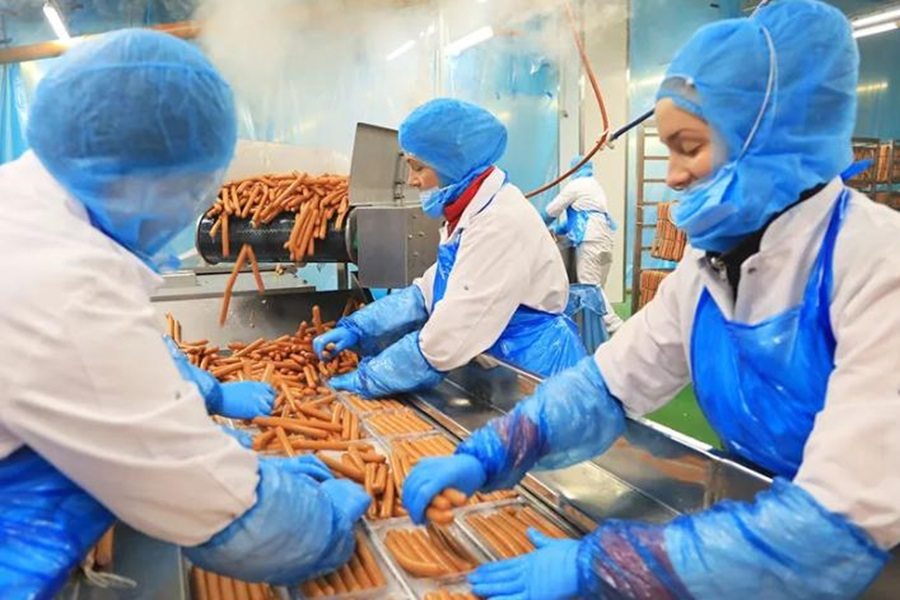
"We heard about this half an hour before it was on TV," says a white-uniformed employee in the shop at the factory gates. The factory outlet was busy, despite the snowy weather. Toennies, the west German meat processor that now owns the factory, "promised to invest when they bought us just two years ago", complains another worker.
“我们在电视上看到这条消息前半小时才得知此事。”工厂门口商店里一名身着白色制服的员工说道。 尽管大雪纷飞,这家工厂直销店依然顾客盈门。 如今拥有该厂的西德肉类加工企业通内斯“两年前收购我们时承诺会投资”, 另一名工人抱怨道。
Germany's economy, the third-biggest in the world by nominal GDP, has been stagnant for three years, and factory closures and insolvencies are reaching worrying levels. On January 8th Zalando, a big German online fashion retailer, said it would close a logistics centre that employs 2,700 workers in Erfurt, also in eastern Germany. Preliminary figures from Destatis, the German statistics agency, show insolvencies in December rose by 15% compared with the same month in 2024. The transport, hospitality and construction sectors were especially strongly affected. Last year's annual total of more than 17,600 company insolvencies was the highest in 20 years, according to the Leibniz Institute for Economic Research in Halle.
德国经济按名义GDP计算位居全球第三,但已停滞三年, 工厂倒闭和破产案例正达到令人担忧的水平。 1月8日,德国大型在线时尚零售商Zalando宣布将关闭位于东部城市埃尔富特的一个物流中心, 该中心雇佣了2700名员工。 德国联邦统计局的初步数据显示,去年12月破产案例较2024年同期增长15%, 交通、酒店和建筑行业受影响尤为严重。 据哈勒莱布尼茨经济研究所统计, 去年全年企业破产总数超过1.76万家,为20年来最高。
Most discouraging for Germans has been the rash of well-known firms that have gone bust. Last year they included some of the country's biggest names: Goertz (shoes), Gerry Weber and Esprit (fashion), Groschenmarkt (discount retail), Karrie Bau (construction) and Zoo Zajac (the world's largest pet store). To be sure, other downturns were worse; the bursting of the dot-com bubble caused far more corporate bankruptcies. In some years more than 39,000 companies have gone under. But earlier crises focused on specific sectors, as with the tech industry in the dot-com crash.
最令德国人沮丧的是,一批知名企业接连倒闭。 去年倒闭的企业中不乏德国巨头:鞋类零售商Goertz、时尚品牌Gerry Weber和Esprit、折扣零售商Groschenmarkt、 建筑公司Karrie Bau,以及全球最大的宠物店Zoo Zajac。 诚然,其他经济衰退时期的情况更为严峻——互联网泡沫破裂曾导致更多企业破产, 在某些年里,超过39,000家公司破产。 但此前的危机往往集中在特定行业,如互联网泡沫破裂时的科技行业。
By contrast, the current malaise affects businesses across the board. German manufacturing was once an anchor of stability, mitigating ups and downs in other sectors. No more: export-oriented industries are especially vulnerable to global conflict, tariffs and high energy prices. The country's entire economic model is ill-suited to new realities. Until it adjusts, even sausage makers will find themselves on the chopping block.
相比之下,当前的经济困境正全面波及各类企业。 德国制造业曾是经济稳定的压舱石,能够缓冲其他行业的波动, 但如今已风光不再:出口导向型产业对全球冲突、关税和高能源价格尤为敏感。 德国整体经济模式已难以适应新现实。 在完成调整之前,就连香肠制造商也将难逃被淘汰的命运。