




















18067909587
工作日 9:00-19:00
中文简体
An octopus that made the Guinness World Records as the oldest specimen of its species is to be stripped of the title after scientists discovered it was not an octopus after all.
一只曾被吉尼斯世界纪录认定为该物种最古老标本的章鱼,将被剥夺这一称号,因为科学家发现它根本不是章鱼。
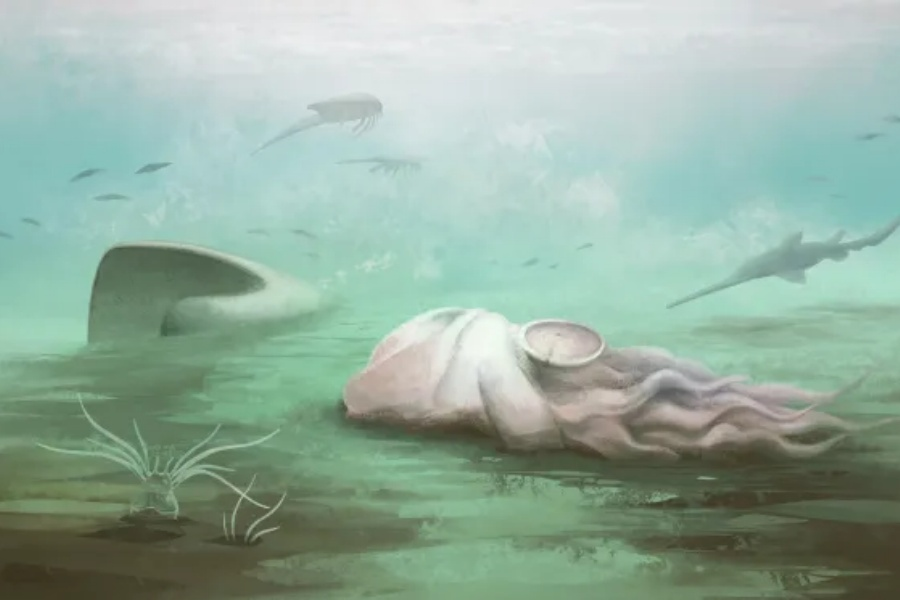
An octopus that made the Guinness World Records as the oldest specimen of its species is to be stripped of the title after scientists discovered it was not an octopus after all.
一只曾被吉尼斯世界纪录认定为该物种最古老标本的章鱼,将被剥夺这一称号,因为科学家发现它根本不是章鱼。
Researchers confirmed the "case of mistaken identity" after the discovery of an unusual set of teeth hidden with a renowned 300 million-year-old fossil.
研究人员在一件著名的3亿年前的化石中发现了一组隐藏在内的不寻常牙齿后,确认了这一“身份误认案件”。
The Guinness World Records website states: "The earliest known octopus is Pohlsepia mazonensis, dating back some 296 million years to the Carboniferous period." But the new discovery means this entry should probably be "quietly written out" of the record books, researchers from the University of Reading said.
吉尼斯世界纪录网站指出:“已知最早的章鱼是 Pohlsepia mazonensis,其历史可追溯到约2.96亿年前的石炭纪。”但雷丁大学的研究人员表示,这一新发现意味着该条目很可能应被“悄悄从”纪录书中“删去”。
The confusion arose because the creature had partially decayed before it was fossilised, preserving it for millions of years with a different appearance than it had in life. Scientists realised their mistake after scanning deep inside the fossil, using a synchrotron to penetrate the specimen using X-rays. The scans revealed a set of teeth of a type not possessed by octopuses.
之所以产生混淆,是因为该生物在化石形成前已部分腐烂,这使得它在数百万年的保存过程中呈现出与其生前不同的外观。 科学家在利用同步辐射装置对该化石进行深层扫描、使用X射线穿透标本后,才意识到自己的错误。 扫描结果显示出一组牙齿,其类型并非章鱼所拥有。
The fossil has 11 tooth-like structures per row in a ribbon-like body part called a radula, which "ruled out an octopus entirely", because they have seven or nine, and suggested to scientists it was a type of mollusc.
该化石在其称为齿舌的带状身体部位中,每排有11个牙齿状结构,这“完全排除了它是章鱼的可能性”,因为章鱼只有7个或9个,并向科学家表明它是一种软体动物。
They were able to deduce that the creature was more like a modern nautilus, described as a "multi-tentacled animal with an external shell".
他们得以推断,这种生物更像现代的鹦鹉螺,后者被描述为“一种具有外部壳的多触手动物”。
The discovery "solves a long-running puzzle in the understanding of octopus evolution that has confused scientists for decades and also provides evidence of the oldest nautiloid soft tissue preservation known in the fossil record", researchers said. "In what amounts to a case of mistaken identity, the fossil hid its true nature through decay."
研究人员表示,这一发现“解决了数十年来困扰科学家的章鱼进化理解中的一个长期难题,并且还为化石记录中已知的最古老的鹦鹉螺软组织保存提供了证据”。 “这相当于一起身份误认案件,该化石通过腐烂掩盖了其真实本质。”
Dr Thomas Clements, a lecturer in invertebrate zoology at Reading and lead author of the study, published in the journal Proceedings of the Royal Society B: Biological Sciences, said: "It turns out the world's most famous octopus fossil was never an octopus at all. It was a nautilus relative that had been decomposing for weeks before it became buried and later preserved in rock, and that decomposition is what made it look so convincingly octopus-like.
这项研究的主要作者、雷丁大学无脊椎动物动物学讲师托马斯·克莱门茨博士表示:“事实证明,世界上最著名的章鱼化石根本不是章鱼。 它是一种鹦鹉螺类的近亲,在它被埋藏并后来保存在岩石中之前,已经腐烂了数周,而正是这种腐烂使其看起来如此像章鱼,令人信服。
"Using modern techniques showed us what was beneath the surface of the rock, which finally cracked the case. We now have the oldest soft tissue evidence of a nautiloid ever found, and a much clearer picture of when octopuses actually first appeared on Earth. Sometimes, re-examining controversial fossils with new techniques reveals tiny clues that lead to really exciting discoveries."
“使用现代技术向我们展示了岩石表面之下的东西,最终破解了这个案件。 我们现在拥有了有史以来发现的最古老的鹦鹉螺类软组织证据,并对章鱼实际首次出现在地球上的时间有了更清晰的图景。 有时候,用新技术重新审视有争议的化石,会发现一些微小的线索,从而带来真正令人兴奋的发现。”
The specimen was found in Illinois in the United States, with an analysis published in 2000 that pushed the history of octopuses 150 million years earlier than previously thought to the Palaeozoic period.
该标本发现于美国伊利诺伊州,2000年发表的一项分析将章鱼的历史推前至古生代,比此前认为的早了1.5亿年。
The new study "refutes a Palaeozoic origin" for octobrachians, the term for eight-armed cephalopods, suggesting they evolved in the Jurassic period between 200 and 145 million years ago. "It's amazing to think a row of tiny hidden teeth, hidden in the rock for 300 million years, have fundamentally changed what we know about when and how octopuses evolved," Clements said.
这项新研究“驳斥了”八腕类——即八臂头足类动物的称呼——的“古生代起源”,表明它们是在2亿至1.45亿年前的侏罗纪演化出来的。 克莱门茨说:“想到一排微小的、隐藏在岩石中长达3亿年的隐藏牙齿,从根本上改变了我们对章鱼何时以及如何演化的认知,这真是令人惊叹。”
Adam Millward, Guinness World Records' managing editor, said: "This is a fascinating discovery and congratulations to the University of Reading on their research. We will be resting the original title and look forward to seeing the new evidence."
吉尼斯世界纪录执行编辑亚当·米尔沃德表示:“这是一个引人入胜的发现,并祝贺雷丁大学的研究。 我们将暂停该原有称号,并期待看到新的证据。”
Researchers confirmed the "case of mistaken identity" after the discovery of an unusual set of teeth hidden with a renowned 300 million-year-old fossil.
研究人员在一件著名的3亿年前的化石中发现了一组隐藏在内的不寻常牙齿后,确认了这一“身份误认案件”。
The Guinness World Records website states: "The earliest known octopus is Pohlsepia mazonensis, dating back some 296 million years to the Carboniferous period." But the new discovery means this entry should probably be "quietly written out" of the record books, researchers from the University of Reading said.
吉尼斯世界纪录网站指出:“已知最早的章鱼是 Pohlsepia mazonensis,其历史可追溯到约2.96亿年前的石炭纪。”但雷丁大学的研究人员表示,这一新发现意味着该条目很可能应被“悄悄从”纪录书中“删去”。
The confusion arose because the creature had partially decayed before it was fossilised, preserving it for millions of years with a different appearance than it had in life. Scientists realised their mistake after scanning deep inside the fossil, using a synchrotron to penetrate the specimen using X-rays. The scans revealed a set of teeth of a type not possessed by octopuses.
之所以产生混淆,是因为该生物在化石形成前已部分腐烂,这使得它在数百万年的保存过程中呈现出与其生前不同的外观。 科学家在利用同步辐射装置对该化石进行深层扫描、使用X射线穿透标本后,才意识到自己的错误。 扫描结果显示出一组牙齿,其类型并非章鱼所拥有。
The fossil has 11 tooth-like structures per row in a ribbon-like body part called a radula, which "ruled out an octopus entirely", because they have seven or nine, and suggested to scientists it was a type of mollusc.
该化石在其称为齿舌的带状身体部位中,每排有11个牙齿状结构,这“完全排除了它是章鱼的可能性”,因为章鱼只有7个或9个,并向科学家表明它是一种软体动物。
They were able to deduce that the creature was more like a modern nautilus, described as a "multi-tentacled animal with an external shell".
他们得以推断,这种生物更像现代的鹦鹉螺,后者被描述为“一种具有外部壳的多触手动物”。
The discovery "solves a long-running puzzle in the understanding of octopus evolution that has confused scientists for decades and also provides evidence of the oldest nautiloid soft tissue preservation known in the fossil record", researchers said. "In what amounts to a case of mistaken identity, the fossil hid its true nature through decay."
研究人员表示,这一发现“解决了数十年来困扰科学家的章鱼进化理解中的一个长期难题,并且还为化石记录中已知的最古老的鹦鹉螺软组织保存提供了证据”。 “这相当于一起身份误认案件,该化石通过腐烂掩盖了其真实本质。”
Dr Thomas Clements, a lecturer in invertebrate zoology at Reading and lead author of the study, published in the journal Proceedings of the Royal Society B: Biological Sciences, said: "It turns out the world's most famous octopus fossil was never an octopus at all. It was a nautilus relative that had been decomposing for weeks before it became buried and later preserved in rock, and that decomposition is what made it look so convincingly octopus-like.
这项研究的主要作者、雷丁大学无脊椎动物动物学讲师托马斯·克莱门茨博士表示:“事实证明,世界上最著名的章鱼化石根本不是章鱼。 它是一种鹦鹉螺类的近亲,在它被埋藏并后来保存在岩石中之前,已经腐烂了数周,而正是这种腐烂使其看起来如此像章鱼,令人信服。
"Using modern techniques showed us what was beneath the surface of the rock, which finally cracked the case. We now have the oldest soft tissue evidence of a nautiloid ever found, and a much clearer picture of when octopuses actually first appeared on Earth. Sometimes, re-examining controversial fossils with new techniques reveals tiny clues that lead to really exciting discoveries."
“使用现代技术向我们展示了岩石表面之下的东西,最终破解了这个案件。 我们现在拥有了有史以来发现的最古老的鹦鹉螺类软组织证据,并对章鱼实际首次出现在地球上的时间有了更清晰的图景。 有时候,用新技术重新审视有争议的化石,会发现一些微小的线索,从而带来真正令人兴奋的发现。”
The specimen was found in Illinois in the United States, with an analysis published in 2000 that pushed the history of octopuses 150 million years earlier than previously thought to the Palaeozoic period.
该标本发现于美国伊利诺伊州,2000年发表的一项分析将章鱼的历史推前至古生代,比此前认为的早了1.5亿年。
The new study "refutes a Palaeozoic origin" for octobrachians, the term for eight-armed cephalopods, suggesting they evolved in the Jurassic period between 200 and 145 million years ago. "It's amazing to think a row of tiny hidden teeth, hidden in the rock for 300 million years, have fundamentally changed what we know about when and how octopuses evolved," Clements said.
这项新研究“驳斥了”八腕类——即八臂头足类动物的称呼——的“古生代起源”,表明它们是在2亿至1.45亿年前的侏罗纪演化出来的。 克莱门茨说:“想到一排微小的、隐藏在岩石中长达3亿年的隐藏牙齿,从根本上改变了我们对章鱼何时以及如何演化的认知,这真是令人惊叹。”
Adam Millward, Guinness World Records' managing editor, said: "This is a fascinating discovery and congratulations to the University of Reading on their research. We will be resting the original title and look forward to seeing the new evidence."
吉尼斯世界纪录执行编辑亚当·米尔沃德表示:“这是一个引人入胜的发现,并祝贺雷丁大学的研究。 我们将暂停该原有称号,并期待看到新的证据。”