




















18067909587
工作日 9:00-19:00
中文简体
DNA extracted from 2,000-year-old grape seeds found in ancient wells in Tuscany has enabled scientists to map the most extensive genetic history of grapevines recovered from a single site.
从在托斯卡纳古代水井中发现的2000年前的葡萄籽中提取的DNA,使科学家能够绘制出从一个单一遗址中恢复的最广泛的葡萄藤遗传历史图谱。
The findings revealed that vineyards of the Roman era formed part of the empire's sophisticated agricultural network that might have influenced the development of modern winemaking.
研究结果显示,罗马时代的葡萄园是该帝国复杂农业网络的一部分,这可能影响了现代葡萄酒酿造的发展。
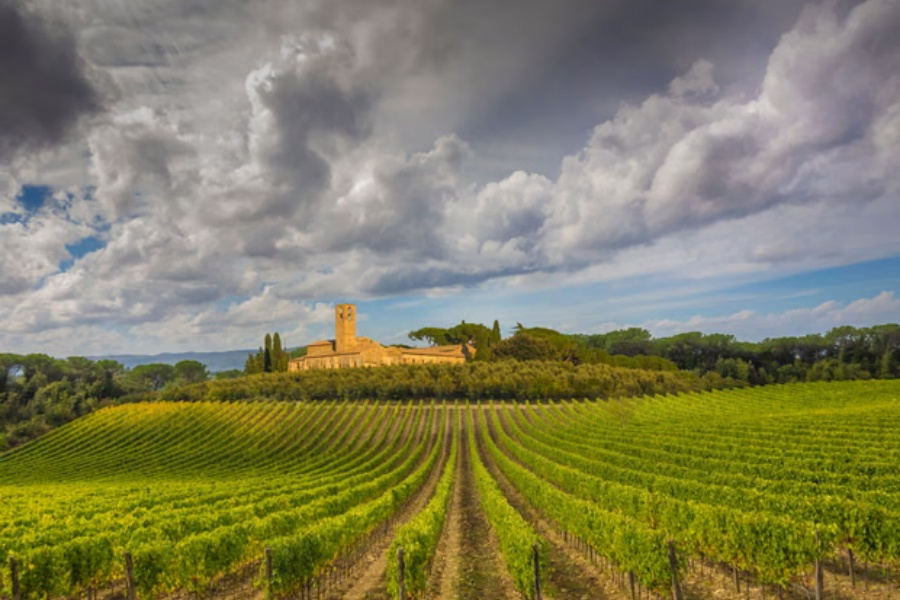
The research led by scientists at the University of York also found that white grapes once dominated the site in Chianti, an area of Tuscany famous for its red sangiovese wines.
由约克大学的科学家领导的研究还发现,白葡萄曾一度主导了基安蒂(托斯卡纳一个以其红葡萄酒桑娇维塞而闻名的地区)的这个遗址。
The discovery was made at Cetamura del Chianti, a hilltop archaeological site that was home to the Etruscans before the arrival of the Romans and then medieval Italians. Those living there between 300BC and 300AD dropped grape pips into deep wells, where they were preserved in oxygen-free mud.
这一发现是在基安蒂的切塔穆拉(Cetamura del Chianti)做出的,这是一个山顶考古遗址,曾是伊特鲁里亚人(在罗马人到来之前)以及后来的中世纪意大利人的居住地。 在公元前300年到公元300年之间居住在那里的人们将葡萄籽扔进了深井中,葡萄籽在无氧的泥土里被保存了下来。
"We sequenced the DNA of 80 seeds and found a remarkable story of continuity," said Dr Oya Inanli, the study's co-author from the University of York. "A large majority of the tested seeds belonged to a single, identical variety passed directly from the Etruscans to the Romans and maintained for centuries.
“我们对80颗种子的DNA进行了测序,发现了一个关于延续性的非凡故事,”该研究的合著者、来自约克大学的奥亚·伊南利博士说。 “绝大多数受测种子属于一个单一的、相同的品种,这个品种直接从伊特鲁里亚人传承给罗马人,并被延续了数个世纪。
"We were also able to go a step further with the genetic testing and determine the colour of the ancient grapes. The markers revealed that this dominant, long-lived clone produced white berries."
“我们还能通过基因检测更进一步,确定了古代葡萄的颜色。 标记显示,这个占主导地位、长期存在的克隆品种结出的是白色浆果。”
The prevalence of white grapes was a surprise for the researchers. Nancy De Grummond, a professor at Florida State University, which has been undertaking excavations at Cetamura del Chianti since 1973, said: "Our team's research adds an important chapter on the history of wine in the viticulture region of Chianti.
白葡萄的普遍存在对研究人员来说是一个惊喜。 佛罗里达州立大学的南希·德·格鲁蒙德教授(该校自1973年以来一直在基安蒂的切塔穆拉进行挖掘工作)说:“我们团队的研究为基安蒂葡萄栽培区的葡萄酒历史增添了重要的一章。
"What a delightful surprise to learn that the world-famous red wine of today was actually preceded by a white vintage that was curated and maintained for centuries in Etruscan and Roman times."
“得知如今世界闻名的红葡萄酒,其前身实际上是一种在伊特鲁里亚和罗马时代被精心培育和延续了数个世纪的白葡萄佳酿,这是多么令人愉快的惊喜。”
After the Roman conquest of the settlement, new grape varieties appeared at Cetamura, possibly pointing to vines introduced from elsewhere across the empire, the study showed. Genetic testing also revealed that the dominant cetamura clone was closely related to two ancient grape seeds previously tested from southern France.
研究表明,在罗马人征服该定居点后,切塔穆拉出现了新的葡萄品种,这可能指向了从帝国其他地方引入的葡萄藤。 基因检测还揭示,这个占主导地位的切塔穆拉克隆品种与之前从法国南部检测的两个古代葡萄籽有着密切的亲缘关系。
The researchers said this provided biological evidence of long-distance agricultural networks across the Roman empire that might have contributed to the standardised production of wine today.
研究人员表示,这提供了罗马帝国跨长距离农业网络的生物学证据,这个网络可能促成了当今葡萄酒的标准化生产。