




















18067909587
工作日 9:00-19:00
中文简体
When cows belch and fart they release methane, which is warming the planet, but how does this compare with the digestive gases emitted by wild animals? A new study shows that deer add the greatest amount of methane to the atmosphere, but compared with domesticated livestock their total contribution is minuscule.
当奶牛打嗝和放屁时,它们会释放甲烷,这种气体会导致全球变暖。但野生动物的消化气体与家畜相比又如何呢? 一项新研究显示,鹿向大气中排放的甲烷量在所有野生动物中最多,但与家畜相比,它们的总贡献微乎其微。
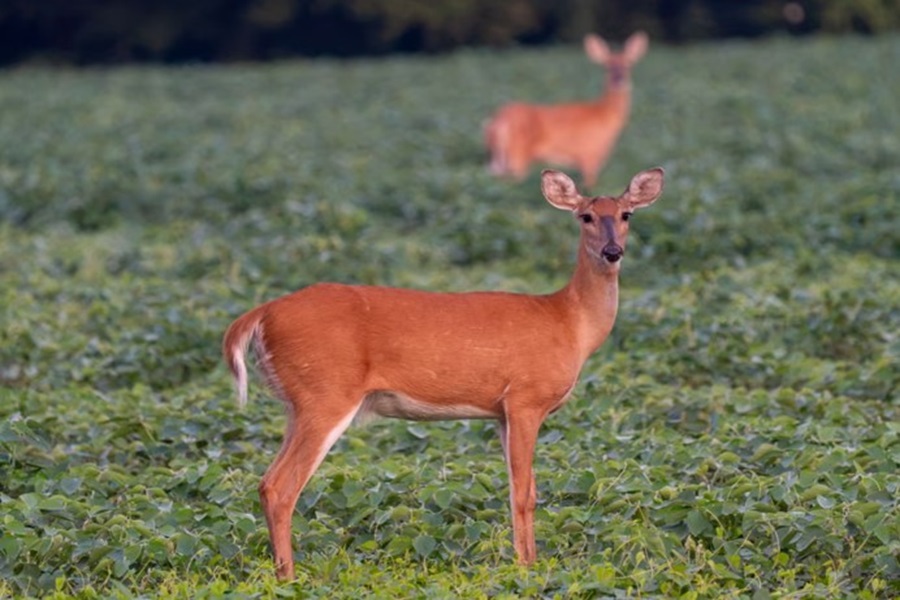
Methane is a potent greenhouse gas, which has been rising rapidly in recent years, but it is hard to pin down exactly where it is coming from. Like domesticated cows, wild ruminants such as deer, moose and llamas rely on bacteria to help them break down the fibrous plants they eat, releasing methane as they go. To understand how much methane wild ruminants release, Theresia Yazbeck, from the Max Planck Institute for Biogeochemistry in Jena, Germany, and colleagues used recent estimates of global wild animal populations and combined these with methane emission estimates based on body mass and diet.
甲烷是一种强效温室气体,近年来在大气中的浓度迅速上升,但科学家很难精确追踪其来源。 与家养奶牛一样,鹿、驼鹿和羊驼等野生反刍动物也依赖细菌来帮助分解所食用的纤维质植物,在此过程中会释放甲烷。 为了弄清野生反刍动物究竟排放了多少甲烷,德国耶拿市马克斯·普朗克生物地球化学研究所的泰雷西娅·亚兹贝克及其同事利用最新的全球野生动物种群数量估算数据,并结合基于体重和食性的甲烷排放估算模型进行了计算。
Their calculations, published in the Journal of Geophysical Research: Biogeosciences, suggest wild ruminants release around 3m tonnes of methane into the atmosphere every year, with more than half of this coming from just six species of deer. It's a small but persistent fraction of the more than 600m tonnes of annual global methane emissions, and some 38 times less than the amount emitted by domesticated livestock.
他们的计算发表在《地球物理研究杂志:生物地球科学》上。结果显示,野生反刍动物每年向大气中释放约300万吨甲烷,其中一半以上仅来自六种鹿。 在全球每年超过6亿吨的甲烷排放总量中,这虽然是一个持续存在但占比很小的部分,并且大约只有家畜排放量的三十八分之一。