












18067909587
工作日 9:00-19:00
中文简体
A British man has become the first person in the world to have a brain tumour removed via AI-assisted surgery.
一名英国男子成为全球首位接受人工智能辅助手术切除脑肿瘤的患者。
Rhys Hibbert was operated on by surgeons at the National Hospital for Neurology and Neurosurgery (NHNN), part of University College London (UCL) Hospitals NHS Foundation Trust.
患者里斯·希伯特在国立神经病学与神经外科医院(NHNN)接受了手术,该医院隶属于伦敦大学学院医院(UCL)国民健康服务体系信托基金会。
Live artificial intelligence was utilised to identify miniscule anatomy in the brain. It colour-coded important structures to help surgeons know which areas to avoid while removing the tumour.
手术中利用了实时人工智能技术来识别大脑中极其微小的解剖结构。 该技术对重要组织结构进行了颜色编码,以协助外科医生在切除肿瘤时精准避开这些关键区域。
With so many important functions of the brain packed tightly together, including nerves controlling vision, the hospital's team said "going a millimetre wrong can make a critical difference".
医院团队表示,大脑内密集分布着众多重要功能区,包括控制视觉的神经,“哪怕只有一毫米的偏差,也可能造成决定性的影响”。
Mr Hibbert, 48, said the operation – which took place in May – had saved his eyesight, and he is now back at work.
48岁的希伯特先生表示,今年5月进行的这场手术挽救了他的视力,目前他已重返工作岗位。
He said he was "very humbled to have been asked" to be the focus of the world-first operation.
他还表示,自己“深感荣幸能被选中”作为这项全球首例手术的患者。
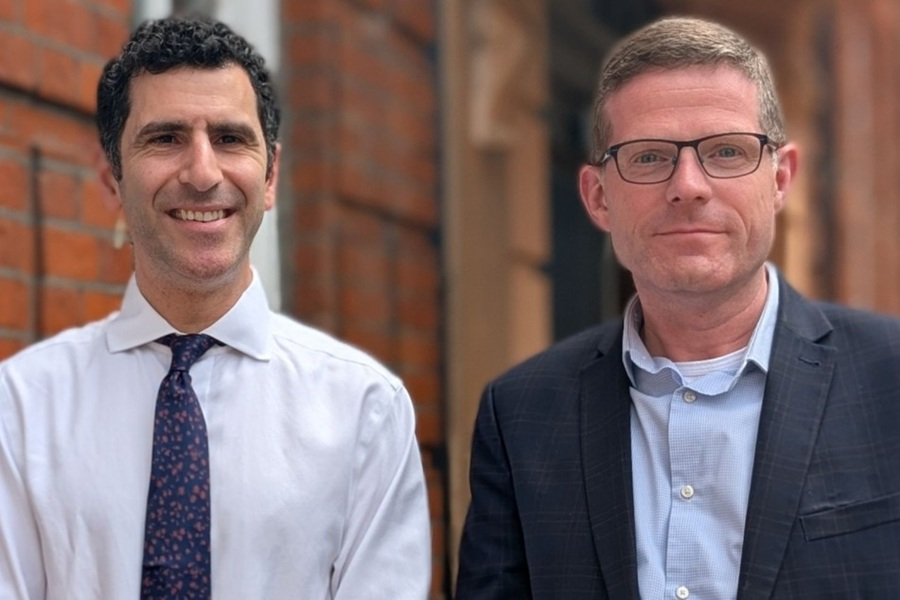
Professor Hani Marcus, a consultant neurosurgeon, said it was an "important step" and was keen to celebrate that the artificial intelligence used was "homegrown" in the UK.
资深神经外科顾问医师哈尼·马库斯教授表示,这是“重要的一步”,并特别强调此次使用的人工智能技术是英国“本土研发”的,对此感到十分振奋。
It developed "in-house" at the UCL Hawkes Institute and was trained using hundreds of videos of brain surgeries.
该工具由伦敦大学学院霍克斯研究所“自主研发”,并利用数百段脑外科手术视频进行了训练。
AI-powered tools have already been used in other types of surgery in the UK. One named Eureka, developed in Japan, was used to perform a bowel resection on a woman at St Mark's, the National Bowel Hospital, in June.
事实上,人工智能驱动的工具此前已在英国其他类型的手术中得到应用。 例如,今年6月,一款名为“尤里卡”,由日本研发的AI工具,在圣马克国家肠道医院协助完成了一例女性患者的肠切除手术。
It's also hoped AI could be used to help identify people at risk of diseases, including cancer, and relive pressure on NHS hospitals.
未来,人们还期望人工智能能够协助筛查包括癌症在内的疾病高危人群,从而缓解NHS医院的运营压力。