




















18067909587
工作日 9:00-19:00
中文简体
Scientists say they have at last solved the mystery of what killed more than 5 billion sea stars off the Pacific coast of North America in a decade-long epidemic.
科学家们称,他们终于解开了在长达十年的流行病中杀死北美太平洋沿岸50多亿海星的谜团。
Sea stars – often known as starfish – typically have five arms and some species sport up to 24 arms. They range in color from solid orange to tapestries of orange, purple, brown and green.
海星通常被称为星鱼,有5条腕足,某些物种多达24条。 它们的颜色从纯橙色到橙色、紫色、棕色和绿色的混合色不等。
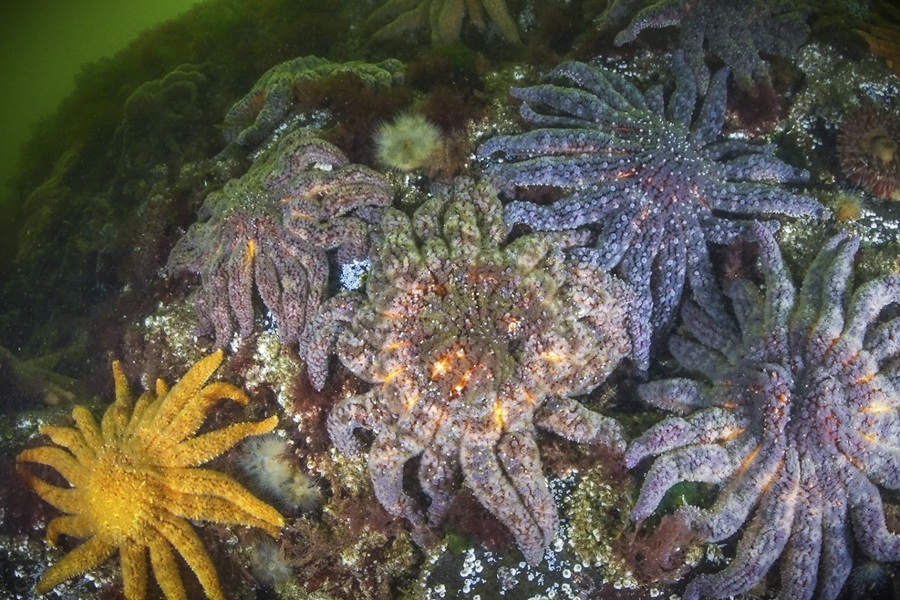
Starting in 2013, a mysterious sea star wasting disease sparked a mass die-off from Mexico to Alaska. The epidemic has devastated more than 20 species and continues today. Worst hit was a species called the sunflower sea star, which lost around 90% of its population in the outbreak's first five years.
自2013年起,一场神秘的海星消瘦病从墨西哥蔓延至阿拉斯加,引发大规模死亡。 这场流行病已导致20多种海星遭受重创,且仍在持续。 其中受灾最严重的是一种名为“向日葵海星”的物种,在流行病暴发的前五年内,其种群数量减少了约90%。
"It's really quite gruesome," said marine disease ecologist Alyssa Gehman at the Hakai Institute in British Columbia, Canada, who helped pinpoint the cause.
加拿大不列颠哥伦比亚省哈凯研究所的海洋疾病生态学家艾莉莎·盖曼说:“这确实非常可怕。” 她帮助查明了原因。
Healthy sea stars have "puffy arms sticking straight out," she said. But the wasting disease causes them to grow lesions and "then their arms actually fall off."
她表示,健康海星的特征是“膨胀的腕足笔直伸出”, 但患上消瘦病的海星会出现溃烂,“最终腕足会脱落”。
The culprit? Bacteria that has also infected shellfish, according to a study published Monday in the journal Nature Ecology and Evolution.
罪魁祸首是什么? 根据周一发表在《自然生态与进化》杂志上的一项研究,细菌也感染了贝类。
The findings "solve a long-standing question about a very serious disease in the ocean," said Rebecca Vega Thurber, a marine microbiologist at University of California, Santa Barbara, who was not involved in the study.
丽贝卡·维加·瑟伯是加州大学圣巴巴拉分校的海洋微生物学家,并未参与这项研究。 她表示,这一发现“解答了一个长期存在的疑问,即海洋中一种非常严重的疾病成因”。
It took more than a decade for researchers to identify the cause of the disease, with many false leads and twists and turns along the way.
研究人员花了十多年的时间才确定这种疾病的病因,一路上出现了许多错误线索和曲折。
Early research hinted the cause might be a virus, but it turned out the densovirus that scientists initially focused on was actually a normal resident inside healthy sea stars and not associated with disease, said Melanie Prentice of the Hakai Institute, co-author of the new study.
早期研究暗示原因可能是病毒, 但事实证明,科学家最初关注的浓核病毒实际上是健康海星体内的正常存在,与疾病无关, 这项新研究的合著者、博海研究所的梅兰妮·普伦蒂斯说。
Other efforts missed the real killer because researchers studied tissue samples of dead sea stars that no longer contained the bodily fluid that surrounds the organs.
其他研究错过了真正的病原体,因为研究人员分析的是死亡海星的组织样本,而这些样本已不再含有包裹器官的体液。
But the latest study includes detailed analysis of this fluid, called coelomic fluid, where the bacteria Vibrio pectenicida were found.
但最新研究对“体腔液”进行了详细分析,发现其中存在一种名为“弧菌”的细菌。
"It's incredibly difficult to trace the source of so many environmental diseases, especially underwater," said microbiologist Blake Ushijima of the University of North Carolina, Wilmington, who was not involved in the research. He said the detective work by this team was "really smart and significant."
“追踪如此多环境疾病的来源非常困难,尤其是在水下,” 没有参与这项研究的北卡罗来纳大学威尔明顿分校的微生物学家布莱克·牛岛说。 他表示这个团队的调查工作“非常聪明且意义重大”。
Now that scientists know the cause, they have a better shot at intervening to help sea stars.
既然科学家们知道了原因,他们就有更好的机会进行干预来帮助海星了。
Prentice said that scientists could potentially now test which of the remaining sea stars are still healthy — and consider whether to relocate them, or breed them in captivity to later transplant them to areas that have lost almost all their sunflower sea stars.
普伦蒂斯说,科学家现在可能会测试哪些剩余的海星仍然健康,并考虑是否将它们转移到其他区域, 在人工环境中繁殖,然后移植到几乎失去所有向日葵海星的地区。
Scientists may also test if some populations have natural immunity, and if treatments like probiotics may help boost immunity to the disease.
科学家还可能测试某些种群是否具有天然免疫力,以及是否可以通过益生菌等治疗手段增强对疾病的免疫力。
Such recovery work is not only important for sea stars, but for entire Pacific ecosystems because healthy starfish gobble up excess sea urchins, researchers say.
研究人员表示,这种恢复工作不仅对海星很重要,而且对整个太平洋生态系统也很重要,因为健康的海星会吞噬多余的海胆。
Sunflower sea stars "look sort of innocent when you see them, but they eat almost everything that lives on the bottom of the ocean," said Gehman. "They're voracious eaters."
向日葵海星看起来有点无辜,但它们几乎会吃掉海底的所有生物,”盖曼说。 “他们是贪吃的家伙。”
With many fewer sea stars, the sea urchins that they usually munch on exploded in population – and in turn gobbled up around 95% of the kelp forest s in Northern California within a decade. These kelp forests provide food and habitat for a wide variety of animals including fish, sea otters and seals.
由于海星越来越少, 它们通常捕食的海胆数量激增,并在十年内吞噬了北加州约95%的海藻林。 这些海藻林为鱼类、海獭和海豹等多种动物提供食物和栖息地。
Researchers hope the new findings will allow them to restore sea star populations -- and regrow the kelp forests that Thurber compares to "the rainforests of the ocean."
研究人员希望新的发现能够使他们恢复海星种群,并重建瑟伯所说的“海洋雨林”即海藻林。