


















18067909587
工作日 9:00-19:00
中文简体
The latest update to the IMF's global economic statistics in April made grim reading for patriotic Indians. The fund estimated that Britain, home to 70m people, had overtaken its 1.45bn-strong former colony to regain the title of the world's fifth-largest economy. India dropped to sixth place. The reordering is largely the fault of the rupee. India's currency lost around a tenth of its value against the dollar in the fiscal year to the end of March.
国际货币基金组织(IMF)在4月发布的最新全球经济统计数据,让爱国的印度人心情沉重。 该机构估计,拥有7000万人口的英国已超越其拥有14.5亿人口的前殖民地,重新夺回世界第五大经济体的位置。 印度则跌至第六位。 这一排位变化很大程度上归咎于卢比。 在截至3月底的财年中,印度卢比对美元贬值了约十分之一。
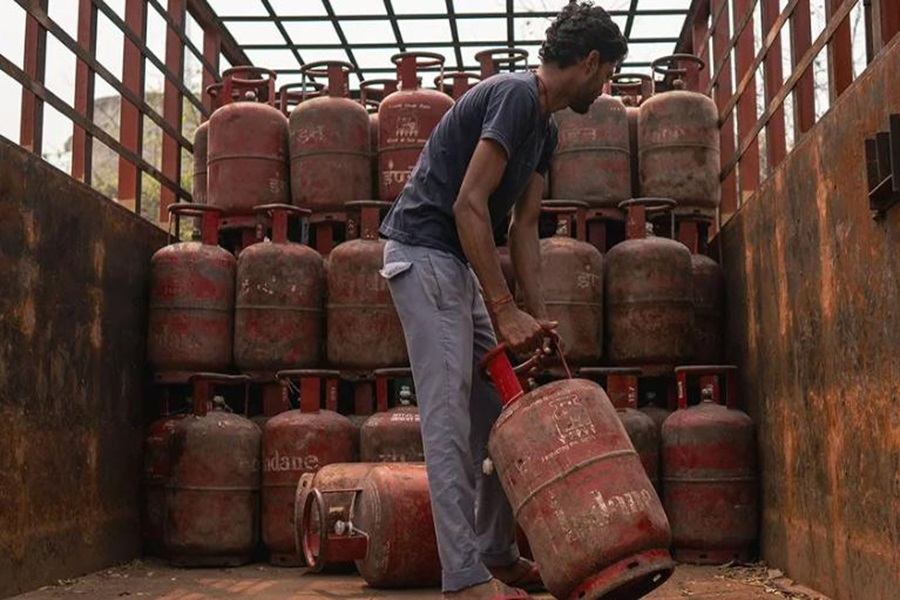
The GDP rankings do not matter (beyond wounded pride). India, which is growing five times as fast as Britain, will reclaim its fifth spot before long. But the weak rupee does reflect something troubling: India's struggle to attract the foreign capital it needs to fuel growth and finance its ever pricier imports, including of energy from the war-torn Gulf.
“GDP排名并不重要(除了伤及自尊心)。 印度的增长速度是英国的五倍,不久后将重新夺回第五名的位置。 但卢比疲软确实反映出令人担忧的问题:印度难以吸引其所需的外国资本来推动经济增长,并为日益昂贵的进口(包括来自战火纷飞的海湾地区的能源)提供资金。”
The head of the Reserve Bank of India (RBI), Sanjay Malhotra, previously suggested that a modest depreciation against the dollar is "normal" for a currency like the rupee—an arithmetic consequence of India's inflation being higher than America's. It keeps the real value of Indian and American goods equal. In the 12 months to March, however, inflation in both countries was virtually identical, at a smidge above 3%. The rupee's 11% drop against the greenback thus resulted in a collapsing real effective exchange rate. Nearly two-thirds of that decline predates the Gulf energy crisis.
印度储备银行(RBI)行长桑杰·马尔霍特拉此前曾表示,对卢比这样的货币来说,对美元适度贬值是“正常的”——这是印度通胀率高于美国所产生的算术结果。 这能保持印度和美国商品的真实价值相等。 然而,在截至3月的12个月里,两国的通胀率几乎相同,都略高于3%。 卢比对美元11%的贬值因此导致其实际有效汇率大幅下降。 其中近三分之二的贬值发生在海湾能源危机之前。
Foreigners have been shunning Indian assets both in portfolios and on the ground. Some $31bn have flowed out of Indian debt and equities since the start of 2025, compared with total inflows of nearly $50bn in the preceding two years. Millions of zealous domestic retail traders have pushed up valuations of Indian companies' shares. Before the Iran-induced slump, Mumbai's Nifty 50 index of large firms traded at some 26 times earnings, compared with a ratio of 17 in the benchmark basket of emerging-market stocks tracked by MSCI, a compiler of such things. India lacks the artificial-intelligence firms that excite investors; AI could also put some of its giant listed IT consultants such as TCS and Infosys out of business. Indian exporters face punitive American tariffs.
“外国人一直在回避印度资产,无论是投资组合还是实体投资。 自2025年初以来,已有约310亿美元流出印度债券和股票市场,而此前两年的总流入量接近500亿美元。 数百万狂热的国内散户交易者推高了印度公司股票的估值。 在伊朗引发的暴跌之前,孟买Nifty 50大型股指数曾以约26倍的市盈率交易,相比之下,MSCI编制的基准新兴市场股票篮子的市盈率仅为17倍。 印度缺乏能够激发投资者兴趣的人工智能公司;人工智能甚至可能让塔塔咨询服务公司和印孚瑟斯等印度大型上市IT咨询公司倒闭。 印度出口商还面临美国惩罚性关税。”
Net foreign direct investment has followed a similar pattern. After years in the black there were net outflows in late 2024 and early 2025, then again in the first three month of this year. Foreign multinationals, venture capitalists and buy-out barons have been taking advantage of high valuations to cash out. Despite recent pro-business reforms by Narendra Modi's government, India's shabby infrastructure and a bureaucracy that puts Byzantium to shame puts off new arrivals.
外国直接投资也呈现出类似模式。 在多年保持净流入后,2024年底和2025年初出现净流出,今年前三个月再次出现净流出。 外国跨国公司、风险资本家和收购大亨们正利用高估值套现离场。 尽管纳伦德拉·莫迪政府近期推行了亲商业的改革,但印度陈旧的基础设施和让拜占庭帝国都相形见绌的官僚体制仍令新来者望而却步。
The war in Iran, now in its third month, is certainly not helping. As a big energy importer, India spends around 3% of GDP on oil, natural gas and petroleum products. Neelkanth Mishra of Axis Bank estimates that if oil stays at $100 barrel for a year, India's current-account deficit would increase by around $80bn (2.1% of GDP). As a big emerging market, the country has also suffered from investors' flight to the dollar, which rallied against a basket of poor-world currencies in March.
“伊朗战争目前已进入第三个月,这当然没有帮助。 作为能源进口大国,印度每年将GDP的约3%用于石油、天然气和石油产品。 Axis银行的尼坎特·米什拉估计,如果油价保持在每桶100美元一年,印度的经常账户赤字将增加约800亿美元(占GDP的2.1%)。 作为一个大型新兴市场,印度还遭受了投资者逃向美元的影响,美元在3月份兑一篮子贫穷国家货币走强。”
This has pushed the placid Mr Malhotra to step in. During the war the RBI's foreign-exchange reserves have dwindled by $25bn, to around $700bn (though this also reflects a drop in the price of gold, which makes up around a fifth of the kitty). The RBI also clamped down on speculation, limiting banks' daily bets against the rupee for the first time in 15 years, to $100m.
这已迫使性格温和的马尔霍特拉出手干预。 战争期间,印度储备银行的外汇储备已减少250亿美元,至约7000亿美元(不过这也反映了黄金价格下跌的影响,黄金约占储备资产总额的五分之一)。 印度储备银行还打击了投机行为,15年来首次将银行对卢比的每日做空限额在1亿美元。
On April 20th the RBI reversed course on the currency bets, perhaps concluding that making it harder to hedge currency risk is not the best way to keep investors in India. Ironically, a combination of a historically cheap rupee and a softer stockmarket may do a better job of encouraging them to stay put. Selling shares now would crystallise losses in dollar terms. Refraining from such sales could, Mr Mishra notes, reduce the flow of capital out of India, helping finance a larger current-account deficit. For oil, high prices are often the cure for high prices. For rupees, with luck, low prices will be.
4月20日,印度储备银行在货币押注问题上改变了方向,或许是意识到加大汇率风险对冲难度并不是让投资者留在印度的最佳方式。 具有讽刺意味的是,历史性的廉价卢比与股市走软相结合,可能更能鼓励他们按兵不动。 现在卖出股票将使美元计价的损失成为现实。 米什拉指出,避免此类抛售可以减少流出印度的资本,从而有助于为更大的经常账户赤字提供融资。 “对石油来说,高油价往往是解决高药价的良方。 对卢比来说,但愿低汇率也能如此。”