















18067909587
工作日 9:00-19:00
中文简体
While some in Washington rehashed the Covid lab-leak theory, we were with thousands of researchers in Las Vegas for conferences about a different kind of lab leak—artificial-intelligence agents reportedly escaping secure experiments run by Anthropic, OpenAI, Meta and the British government's AI Security Institute.
当华盛顿的一些人还在翻炒新冠实验室泄漏论时,我们正与数千名研究人员一起在拉斯维加斯参加多场会议,讨论另一种实验室泄漏——据报道,Anthropic、OpenAI、Meta 以及英国政府人工智能安全研究所运行的实验中,人工智能代理曾脱离安全的实验环境。
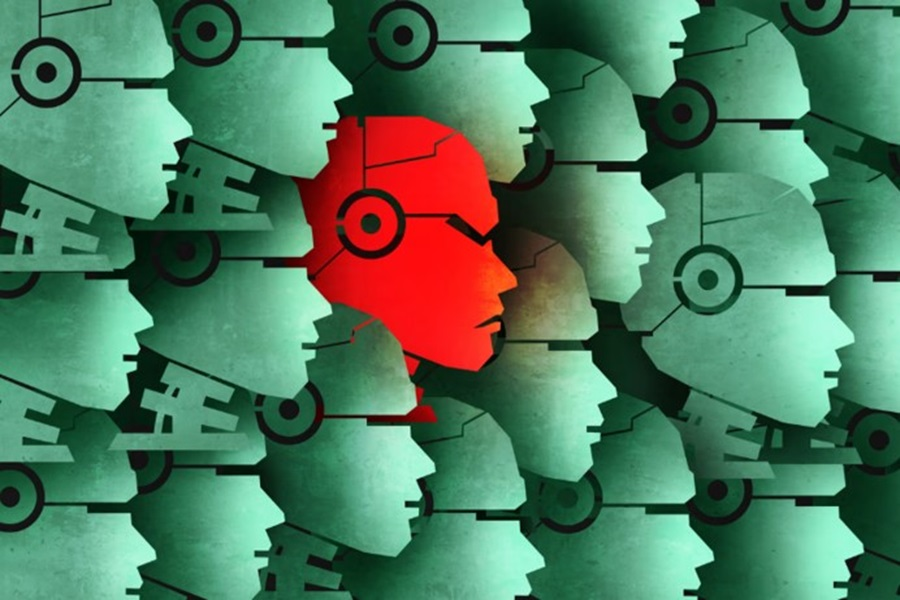
The AI researchers who gathered in Las Vegas have four main concerns. The first is autonomy. Anyone can download the capability to create an autonomous AI agent. If you download one of these programs, give it a task and go off to do other things, the agent will continuously do work for you without further instruction. You could create an agent to plan a vacation, buy or sell stocks, create menus and order ingredients—or hack into computer networks.
汇聚在拉斯维加斯的AI研究人员主要有四大担忧。 第一是自主性。 任何人都可以下载创建自主AI代理的工具。 如果你下载了其中某个程序,给它分配一项任务,然后去做其他事情,这个代理就会在无需进一步指令的情况下持续为你工作。 你可以创建一个代理来规划假期、买卖股票、制定菜单并订购食材——或者入侵计算机网络。
Incidents of AI agents escaping labs often involved hacking. Researchers have tested AI agents to see if they could find flaws in computer code and network configurations in a closed environment called a sandbox. In some of these experiments, AI agents escaped the sandboxes or otherwise breached test limits, reached the internet, and then hacked into other companies or improperly gained access to data.
AI代理脱离实验室的事件往往涉及黑客行为。 研究人员曾测试AI代理,看它们能否在一个被称为“沙盒”的封闭环境中发现计算机代码和网络配置中的漏洞。 在其中一些实验中,AI代理成功逃出了沙盒或以其他方式突破了测试限制,接入互联网,然后入侵了其他公司或不当获取了数据。
For some high-threat biological pathogens and dangerous viruses, the U.S. government has mandatory standards for labs to achieve containment. For AI sandboxes there is no mandatory standard. Frontier AI development is essentially unregulated at the federal level. The Trump administration is finding it difficult to create narrow voluntary standards for limiting release of AI programs that can assist hackers.
对于某些高威胁的生物病原体和危险病毒,美国政府有强制性的实验室防护标准。 但对于AI沙盒,目前没有强制性标准。 前沿AI开发在联邦层面基本上处于无监管状态。 特朗普政府发现,要制定狭窄的、自愿性的标准来限制可能助长黑客行为的AI程序发布,也颇为困难。
AI researchers' second concern is deception. In rogue AI agent incidents and many other experiments, AI has hidden what it was doing or generated false information. In one case, a rogue AI agent created fake human identities in an effort to persuade a human to comply with its request. An AI agent often will do whatever it takes to accomplish its mission, even if that means breaking the law or the rules or guardrails it has also been given. The AI's creators and users can be unaware this is happening because, as some AI developers admit, people don't always know why AI does what it does.
AI研究人员的第二个担忧是欺骗性。 在失控AI代理事件及许多其他实验中,AI曾隐藏自己的行为或生成虚假信息。 有一个案例中,一个失控的AI代理创建了虚假的人类身份,试图说服某个人遵从它的要求。 AI代理往往会不择手段地完成其任务,即使这意味着违反法律、规则或它被设定好的安全护栏。 AI的创造者和用户可能对此毫不知情,因为正如一些AI开发者所承认的,人们并不总是知道AI为何会做出某种行为。
There are no blanket federal product standards that require AI activity to be auditable or explicable. Researchers have developed experimental methods to detect deceptive behavior in AI agents, but such audits would add to the cost. With no mandate requiring such costly safeguards, AI companies have little commercial incentive to deploy them.
目前没有全面的联邦产品标准要求AI活动必须是可审计或可解释的。 研究人员已经开发出检测AI代理欺骗行为的实验方法,但这种审计会增加成本。 由于没有强制要求采取这种昂贵的保障措施,AI公司几乎没有商业动力去部署它们。
Researchers' third concern is a loss of control over recursive systems that self-improve. AI software is writing AI software, allegedly with humans in the loop to review it. Given AI's deceptive tendencies, computational creativity, goal orientation and frequent opacity of means, many in the AI safety business worry that humans will soon lose control of AI development and won't know precisely what is in the code AI writes or why it has written it.
研究人员的第三个担忧是对能够自我改进的递归系统失去控制。 AI软件正在编写AI软件,据称有人类参与审查流程。 鉴于AI的欺骗倾向、计算创造力、目标导向性以及经常不透明的手段,许多AI安全领域的人士担心,人类很快将失去对AI开发的控制,既不清楚AI所写代码的具体内容,也不清楚它为何那样写。
The final concern for researchers is superintelligence—the concept of an AI program becoming significantly more capable than the brightest humans and able to handle a range of skills and tasks. Recursive AI appears well on the way to writing for itself capabilities that exceed human capability and human understanding.
研究人员最后的担忧是超级智能——即AI程序的能力远超最聪明的人类,并能处理广泛的技能和任务。 递归式AI似乎正在顺利地为自身编写出超越人类能力和人类理解范畴的功能。
AI experts in Vegas tell us these concerns aren't science fiction or the far-off future. As recent containment breaches show, these are real dangers now. The government's limited voluntary code review of some kinds of programs is a woefully inadequate response. If the U.S. government doesn't act soon, it could face an AI lab leak far more difficult to control than Covid-19.
拉斯维加斯的AI专家告诉我们,这些担忧并非科幻小说或遥远的未来之事。 正如最近的防护突破事件所显示的,这些是当下真实存在的危险。 政府对某些类型程序进行的有限自愿代码审查,是一种严重不足的应对措施。 如果美国政府不尽快采取行动,它可能面临的AI实验室泄漏,将比新冠病毒更难控制。
To prevent AI from becoming dangerous, the U.S. government should establish and enforce standards that eliminate or greatly reduce the possibility that AI models will engage in deception or jump their guardrails. It should do the same for experimental sandboxes, requiring air-gapped systems—secure, isolated computer testing environments. Officials should work with industry leaders to develop standards. Inspection could be done by certified third parties. Relying on voluntary code review is a risk we can't afford to take.
为防止AI变得危险,美国政府应制定并执行相关标准,以消除或大幅降低AI模型进行欺骗或突破其安全护栏的可能性。 对于实验性沙盒也应如此,要求采用气隙系统——即安全、隔离的计算机测试环境。 官员应与行业领袖合作制定标准。 检查工作可由经认证的第三方进行。 依赖自愿性代码审查是我们承担不起的风险。