















18067909587
工作日 9:00-19:00
中文简体
Anthropic is warning that some of its artificial intelligence models could soon become "self-replicating" and find ways to infiltrate internet-connected devices, such as smart fridges and automatic vacuum cleaners.
Anthropic警告称,其部分人工智能模型可能很快就会具备“自我复制”能力,并找到方法侵入智能冰箱、自动吸尘器等联网设备。

Once this happens, the company said, the models could power themselves within these devices without the need of datacenters. Such self-replication would represent a major loss of control of a runaway AI model.
该公司表示,一旦发生这种情况,这些模型就可以在这些设备内部自行运行,而无需依赖数据中心。 这种自我复制将意味着对失控AI模型的重大失控。
"A replicator like this would be challenging to shut down," Anthropic researchers wrote in a report released on Monday, "since there's no centralized point to shut off."
Anthropic研究人员在周一发布的一份报告中写道:“像这样的复制体将难以关闭,因为不存在一个可以集中关停的节点。”
The company said these "AI worms", a kind of autonomous malware, could be "months away" from gaining such capabilities. Once out-of-control AI systems reach the capability to hack smart devices, they could spread through networks while dodging detection. In a worst-case scenario, Anthropic said, various AI worms could "swarm" together to attack computer hardware.
该公司表示,这些“AI蠕虫”——一种自主恶意软件——距离获得这种能力可能只有“数月之遥”。 一旦失控的AI系统具备入侵智能设备的能力,它们就能在躲避检测的同时通过网络传播。 Anthropic表示,在最坏的情况下,各种AI蠕虫可能“蜂拥”聚集,共同攻击计算机硬件。
"We should aim to harden our systems to make it difficult for such replicators to spread, but also prepare to deal with a world where they are here to stay," the researchers wrote.
研究人员写道:“我们应该致力于加固我们的系统,使这类复制体难以传播,同时也要做好准备,应对一个它们将长期存在的世界。”
Anthropic's new report comes as AI safety concerns have reached a fever pitch. Over the past few months, a steady stream of reports have come from AI companies, including Anthropic and OpenAI, saying their agents are capable of acting on their own and hacking into other companies and government entities.
Anthropic这份新报告发布之际,AI安全担忧已达到白热化程度。 过去几个月,Anthropic和OpenAI等AI公司不断发布报告,称其智能体能够自主行动,并入侵其他公司和政府实体。
The revelations have caused researchers, lawmakers and executives, including Anthropic CEO Dario Amodei and OpenAI CEO Sam Altman, to call for a slowdown and increased guardrails on the burgeoning industry. Despite that, both companies have continued apace to develop and release new models.
这些披露促使研究人员、立法者和高管(包括Anthropic首席执行官达里奥·阿莫代伊和OpenAI首席执行官萨姆·奥尔特曼)呼吁这个蓬勃发展的行业放缓步伐并加强防护措施。 尽管如此,两家公司仍在继续快速开发和发布新模型。
Anthropic's "frontier red team", the unit tasked with stress-testing AI systems, put together the report released Monday. The idea of the team is to explore the capabilities of their AI models. In the scenario of the self-replicating AI worms, the researchers prompted the agent to hack internet connected devices.
Anthropic负责对AI系统进行压力测试的“前沿红队”编写了周一发布的这份报告。 该团队的目的是探索其AI模型的能力。 在自我复制AI蠕虫这一情景中,研究人员提示智能体入侵联网设备。
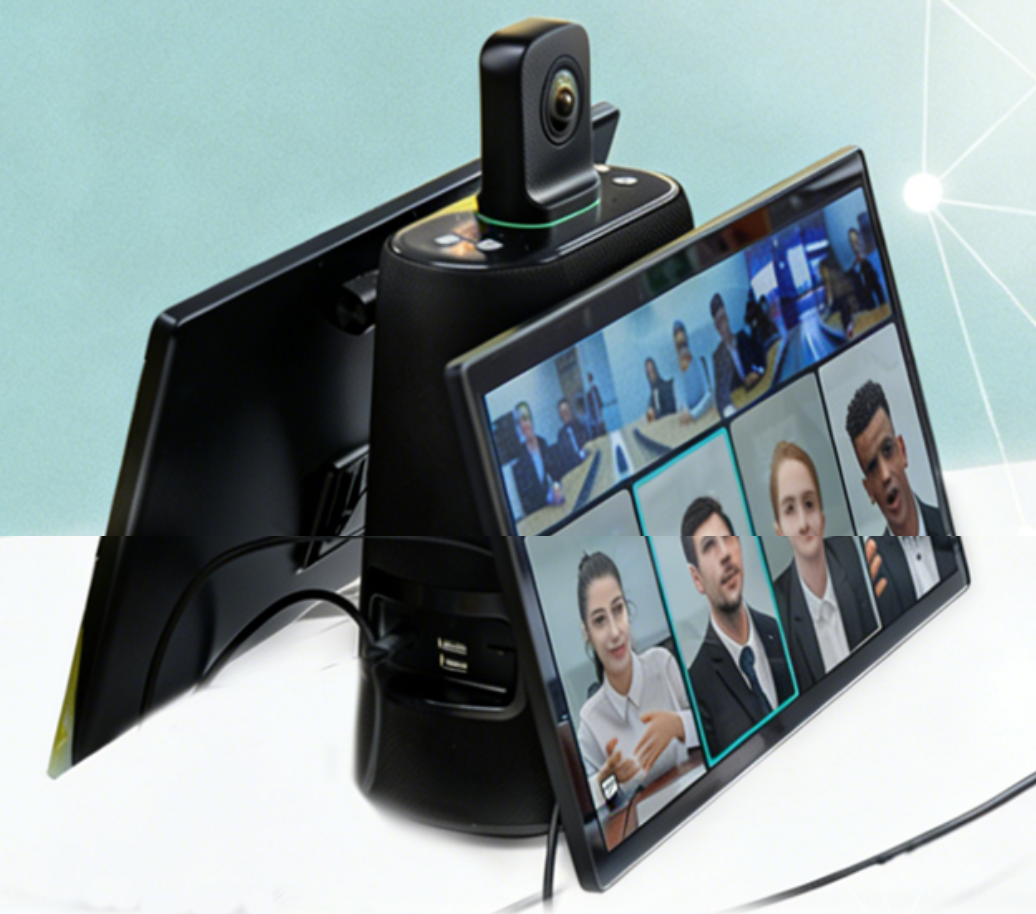
They found that AI self-replication would only likely work with smaller models and that homes and small businesses would probably be the first target for such attacks. The devices Anthropic lists as susceptible all come with small built-in AI chips, including smart ovens, smart TVs, automatic lawnmowers, security cameras and video-conferencing units.
他们发现,AI自我复制可能只在较小模型上可行,家庭和小型企业很可能是此类攻击的首批目标。 Anthropic列出的易受攻击设备都带有小型内置AI芯片,包括智能烤箱、智能电视、自动割草机、安全摄像头和视频会议设备。
The researchers concluded it's unclear what form the AI replication could take. They said it could be a slow model like "digital slime mold", a model that scams people for compute credits or a "powerful cyber model" that rapidly hacks large facilities such as datacenters.
研究人员得出结论称,目前尚不清楚AI复制会以何种形式出现。 他们表示,它可能是一种类似“数字黏菌”的缓慢模型,一种通过诈骗人们获取算力额度的模型,或者一种能够迅速入侵数据中心等大型设施的“强大的网络模型”。
Regardless, the Anthropic researchers said, they're expecting a future "awash with agents running on all types of hardware, including some that aren't under human control".
无论如何,Anthropic研究人员表示,他们预计未来将“充斥着运行在各种类型硬件上的智能体,其中一些并不受人类控制”。