




















18067909587
工作日 9:00-19:00
中文简体
It was a site of temples and intricate homes. Its streets were adorned with sculptures of human and animal figures. Visible for miles around owing to its hilltop position, it was believed to be a trading post for the oldest civilisation in the Americas. And then it was lost for more than 3,000 years.
这里曾是庙宇与精致民居的聚集地。 街道上装饰着人物与动物造型的雕塑。 凭借其坐落于山顶的地理位置,方圆数英里外都能望见,人们认为这里是美洲最古老文明的贸易据点。 而后,它湮没于历史长河中长达3000余年。
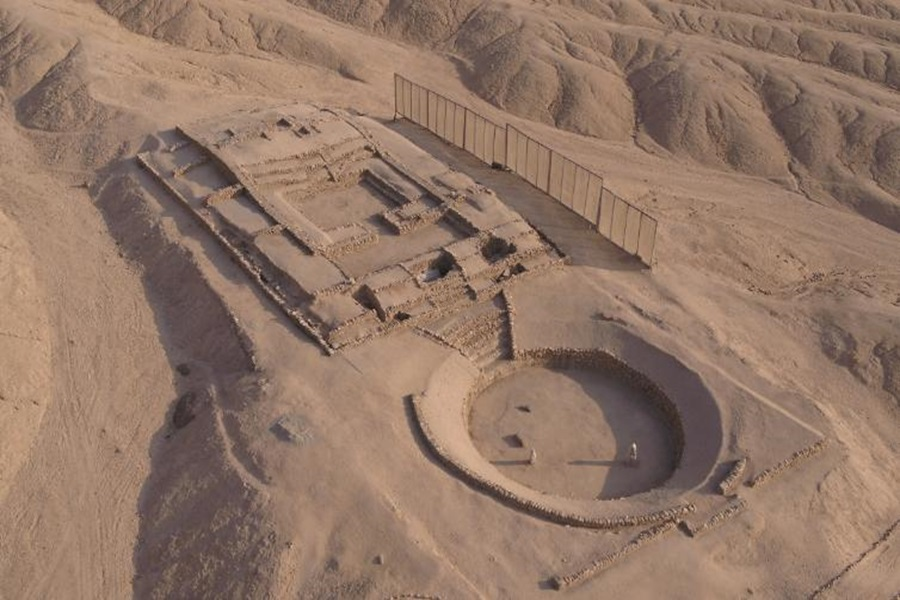
Now archaeologists in Peru have announced the rediscovery of a city they have named Penico, situated about 200 miles north of the modern-day capital Lima.
如今,秘鲁考古学家宣布,他们重新发现了一座名为佩尼科的城市, 该城位于现代首都利马以北约200英里处。
After eight years of excavation, it will be opened to the public next weekend.
历经八年的发掘,这座城市将于下周末向公众开放。
Drone footage shows what appears to be the city's central plaza, a distinctive circular structure probably used for ceremonies. Around it lie the remains of stone and mud buildings 600m (1,970ft) above sea level.
无人机拍摄的画面显示,这里似乎有一座城市中心广场,一座独特的圆形建筑,可能曾用于举行仪式。 在海拔600米(1970英尺)的高处,其周围散落着石头与泥土建成的建筑遗迹。
Experts believe the city thrived between 1800BC and 1500 BC. It is close to where the ancient Caral civilisation first developed 5,000 years ago, concurrent with the earliest civilisations in the Middle East and Asia.
专家认为,这座城市在公元前1800年至公元前1500年间繁荣兴盛。 其所在地靠近5000年前古代卡拉尔文明的发源地, 与中东和亚洲最早出现的文明处于同一时期。
Penico was "situated in a strategic location for trade, for exchange with societies from the coast, the highlands and the jungle," said Dr Ruth Shady, the renowned Peruvian archaeologist who led the research.
主导此次研究的秘鲁著名考古学家露丝·莎迪博士表示,佩尼科“地处贸易要冲, 是与沿海、高原和丛林地区各社会进行交流互换的战略要地”。
The walls of the central plaza of the city contain several depictions of the "pututu", a conch shell trumpet, the sound of which would have carried for vast distances across the adjoining valley.
城市中心广场的墙壁上绘有多幅“普图图”(pututu,一种海螺号角)图案, 这种号角发出的声音能传遍整个相邻山谷,响彻远方。
Other ceremonial objects found at the site include necklaces made from animal bone and clay beads.
在该遗址发现的其他仪式用品还包括用动物骨头和陶珠制成的项链。
The city's discovery has shed more light on the enduring historical mystery of what exactly happened to the Caral, the oldest of the pre-Hispanic civilisations in the Americas, which went into sharp decline about 1800 BC.
这座城市的发现,为解开美洲最古老的前西班牙文明——卡拉尔文明(Caral)究竟发生了什么这一长期悬而未决的历史谜团提供了更多线索。 大约在公元前1800年,卡拉尔文明急剧走向衰落。
The Caral were based at the sacred city of Caral-Supe, 26km to the west of Penico. The 626-hectare site, complete with 20 temples, was first discovered in 1948, with excavation beginning in the 1970s.
卡拉尔人以距佩尼科以西26公里处的圣城卡拉尔-苏佩为中心。 这个占地626公顷的遗址,拥有20座寺庙,于1948年首次发现,挖掘始于20世纪70年代。
Shady said that Penico possibly emerged after the Caral began to be affected by climate change, including drought, forcing its people to move east. The archaeologist Marco Machacuay, a researcher with the Peruvian ministry of culture, said Penico's importance lies in it being an apparent continuation of the Caral society.
莎迪表示,佩尼科可能是在卡拉尔文明开始受到气候变化(包括干旱)影响,迫使其民众向东迁徙之后出现的。 秘鲁文化部研究员、考古学家马尔科·马查库艾称, 佩尼科的重要性在于它显然是卡拉尔社会的延续。
After the Caral diminished there was a gap of nearly 1,000 years before the next significant civilisation in the Americas, the Chavin, emerged.
卡拉尔文明衰落之后,美洲下一个重要文明——查文文明的出现,中间间隔了近1000年。
Peru's most famous archaeological site is Machu Picchu, a 15th-century citadel, established by the relatively modern Inca people. The Incas' origins have been dated to the area around Cusco, 1,000km southeast of Penico, in the 1200s.
秘鲁最著名的考古遗址是马丘比丘,这是一座建于15世纪的城堡,由相对近代的印加人建造。 印加人的起源可追溯至13世纪左右佩尼科东南1000公里处库斯科周边地区。
Penico will be opened on Saturday with a "raymi", a festival of the sun in the Andean tradition.
佩尼科将于周六开放,届时将举办一场安第斯传统中的“雷伊米”(raymi,太阳节)庆典。