


















18067909587
工作日 9:00-19:00
中文简体
Deutsche bahn has only four enemies, runs the gag: spring, summer, autumn and winter. German trains did once run on time. But these days moaning about the risible performance of the state-owned rail giant is a national sport. Last year barely 60% of long-distance trains arrived on time, leaving Germany near the bottom of the European pack. Visitors expecting fabled German efficiency are often shocked. The national auditors have said Deutsche Bahn is in a "deepening, permanent crisis". For the growing ranks of Germans who grumble that nothing works any more, trains may be the biggest complaint of all.
德国流传着一个笑话:德国铁路公司(DB)只有四个敌人——春、夏、秋、冬。 德国火车曾经确实准点运行。 但如今抱怨这家国有铁路巨头糟糕的表现已成为一项“国民运动”。 去年,仅有不到60%的长途列车准点到达,这让德国在欧洲各国中排名垫底。 那些期待“德国效率”神话的游客往往会感到震惊。 国家审计机构表示,德国铁路正处于“不断加深的永久性危机”之中。 对于越来越多抱怨“一切都失灵了”的德国人来说,火车可能是他们最大的不满。
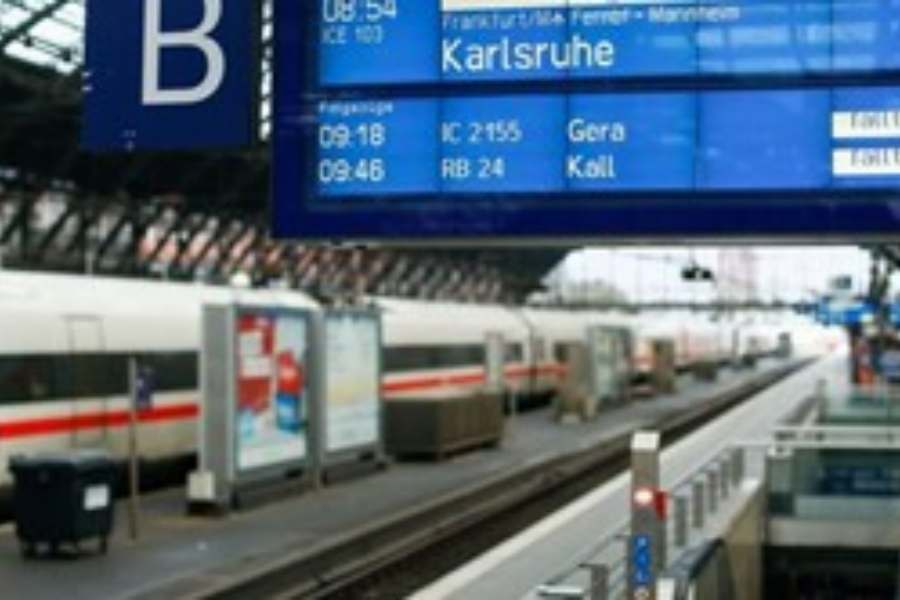
That message has been heard. Unveiling a new strategy for Deutsche Bahn on September 21st, Patrick Schnieder, the transport minister, said it was "extremely dangerous" that many Germans regard the railways as a form of state failure. He downgraded the previous "unattainable" punctuality targets to a promise that 70% of trains will run on time by 2030, promised facelifts for stations and trains, pledged to unbundle Deutsche Bahn's infrastructure arm, and appointed a new CEO. His choice, Evelyn Palla, is a company insider, most recently restoring its regional-train division to profitability. But she began her rail career in the much more successful Austrian system. Lukas Ifflander of Pro Bahn, a lobby group, says he has "huge confidence" in her.
这一呼声已被听到。 9月21日,德国交通部长帕特里克・施奈德公布了德国铁路的新战略,他表示,许多德国人将铁路视为“国家失败的一种表现”,这“极其危险”。 他下调了此前“无法实现”的准点率目标,承诺到2030年实现70%的列车准点运行; 同时承诺翻新车站和列车,保证拆分德国铁路的基础设施部门,并任命了新首席执行官。 他的选择,新任CEO伊芙琳・帕拉是公司内部人士,最近刚让区域列车部门恢复盈利, 但她的铁路职业生涯始于运营更为成功的奥地利铁路系统。 游说团体“支持铁路”(Pro Bahn)的卢卡斯・伊夫兰德表示,他对帕拉“充满信心”。
But she will have her work cut out. Loss-making and burdened with debt, Deutsche Bahn is contending with years of underinvestment. Capacity has not kept pace with rising passenger numbers. Soaring Trassenpreise (a toll charged to all rail operators) have led to fears that loss-making long-distance services may be cut and fares increased. Under EU rules, Deutsche Bahn's freight arm must somehow turn a profit next year. A planned refurbishment of 40 big rail routes over the next 12 years means performance may get worse before it gets better. Morale among the 211,000 workers in Germany is at rock-bottom.
但帕拉任重道远。 德国铁路目前处于亏损状态且债务缠身,还要应对多年来的投资不足问题。 运力增长跟不上乘客数量的上升。 飙升的“线路使用费”(Trassenpreise,向所有铁路运营商收取的费用)引发了人们的担忧:亏损的长途线路可能会被削减,票价或将上涨。 根据欧盟规定,德国铁路的货运部门明年必须实现盈利。 未来12年计划翻新40条主要铁路干线,这意味着其运营表现可能在好转之前先变得更糟。 德国境内21.1万名员工的士气已跌至谷底。
Two things must be done quickly, says Christian Bottger, a transport expert at the Berlin University of Technology and Economics: cut back some services in big cities lacking rail capacity, and rein in the Trassenpreise. In the longer term he advises decentralising decision-making and ensuring long-term stability in budgeting, as in Austria, to enable managers to plan properly. Thanks to bottlenecks and labour shortages, he says, much of the money that has flowed into the railways in recent years has simply stoked inflation. With more to come via Germany's new EUR 500 billion ($590 billion) climate and infrastructure fund, Mr Schnieder and Ms Palla must be careful not to get off track.
柏林工业与经济大学的交通专家克里斯蒂安・伯特格表示,必须迅速做好两件事: 一是在铁路运力不足的大城市削减部分线路服务,二是控制线路使用费。 长期来看,他建议效仿奥地利,下放决策权并确保预算的长期稳定性, 以便管理者进行妥善规划。 他指出,由于瓶颈问题和劳动力短缺,近年来投入铁路的大量资金大多只是推高了通胀。 随着德国新的5000亿欧元(约合5900亿美元)气候与基础设施基金将投入更多资金,施奈德和帕拉必须小心行事,避免偏离正轨。