




















18067909587
工作日 9:00-19:00
中文简体
Why would a meteorologist concern herself with the rocks beneath her feet? For good reason, if she lives in Iceland. That island nation straddles the mid-Atlantic ridge, a boundary between two of Earth's crustal plates which are drifting apart. That allows hot, liquid rock called magma to well up from the depths. Iceland also sits just below the Arctic circle and enjoys glacier-promoting temperatures. As a consequence of these facts, it is home to 34 active volcanoes, half of which are buried under ice up to 1km thick. And that ice is melting as the climate warms.
为何气象学家要关注脚下的岩石? 若生活在冰岛,答案便显而易见。 这个岛国横跨大西洋中脊——地球上两大正在分离的地壳板块的交界地带。 这一地质特征使名为岩浆的炽热液态岩石能从地球深处涌出。 同时,冰岛恰好位于北极圈以南,气候温度适宜冰川形成。 受这些因素共同影响,冰岛拥有34座活火山,其中半数被厚度达1公里的冰层覆盖。 而随着气候变暖,这些冰层正不断融化。
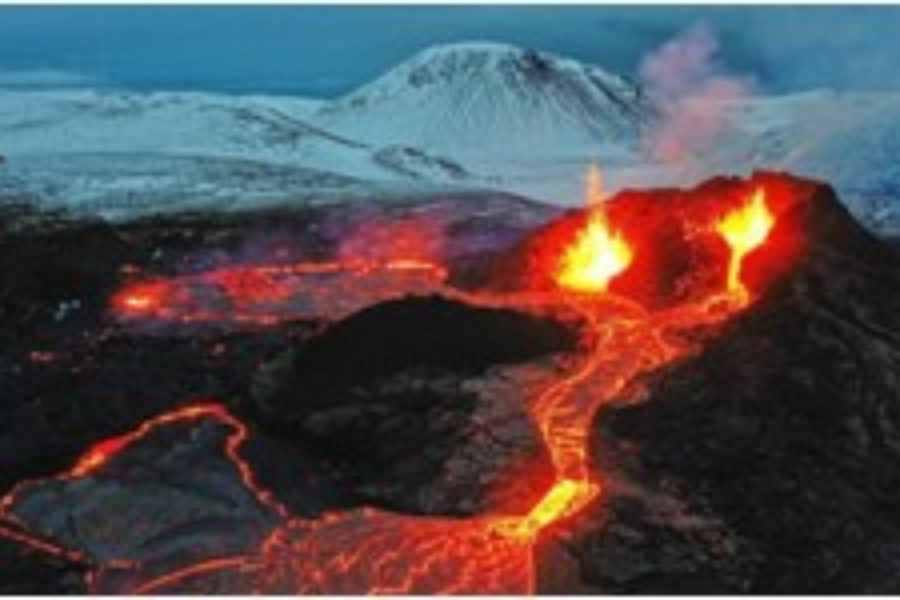
Some predict the glaciers will vanish in two centuries, which could upset the volcanoes below, causing them to erupt more frequently, more violently or both. Michelle Parks of the Icelandic Meteorological Office is therefore leading a three-year project that will try to determine whether, in future, less ice could mean more fire.
一些人预测冰川将在两个世纪内消失,这可能会扰乱下面的火山,导致它们更频繁地喷发, 更猛烈,或两者兼具。 因此,冰岛气象局的米歇尔・帕克斯正牵头开展一项为期三年的研究项目,旨在判断未来冰层减少是否可能引发更多火山喷发。
Glaciers bear down upon Earth's crust. The pressure they create squeezes the underlying rock, raising its melting point. Remove the ice and the rock rebounds (the land around some ice-bound volcanoes is rising by as much as 3cm a year), easing the pressure. That means the melting point drops, enhancing the formation of magma, which then erupts from volcanoes as lava.
冰川对地壳存在重压。 其产生的压力会挤压下方岩石,使岩石的熔点升高。 若冰层消融,岩石会逐渐回弹(部分被冰层覆盖的火山周边陆地,每年抬升幅度可达3厘米),压力随之减轻。 这意味着岩石熔点下降,岩浆形成过程加速,最终以熔岩形式从火山喷发。
Early geological data collected by Dr Parks suggest two or three times more magma is being produced beneath Iceland than was the case a century ago. Her colleague Freysteinn Sigmundsson, a geophysicist at the University of Iceland, suggests the newly generated magma might start arriving in the next few decades.
帕克斯博士收集的早期地质数据显示,如今冰岛地下生成的岩浆量,是一个世纪前的两到三倍。 她的同事、冰岛大学地球物理学家弗莱斯泰因・西格蒙德松指出, 这些新生成的岩浆可能在未来几十年内开始积聚。
How that plays out will depend on how the magma reservoirs beneath individual volcanoes are reshaped by the rebounding land. Some may erupt more frequently; others, less so but more violently. This may be happening already. Grimsvotn and Bardarbunga, two volcanoes in central Iceland, have been more active than normal in recent decades. By contrast Katla, in the south, once erupted every 50 years or so but has been quiet for over a century.
岩浆活动的具体表现,取决于陆地回弹如何重塑各座火山下方的岩浆库。 部分火山可能喷发更频繁;另一些则可能喷发次数减少,但强度会增大。 这种变化或许已在发生: 冰岛中部的格里姆火山和巴达本加火山,近几十年来的活跃度已高于往常。 与之相反,南部的卡特拉火山曾约每50年喷发一次,如今却已沉寂一个多世纪。
History certainly supports the idea that melting ice stimulates magma production. There were 30 to 50 times more volcanic eruptions after the retreat, some 10,000 years ago, of an ice sheet thousands of metres thick that smothered Iceland during the last ice age. Admittedly, there was a lot more ice then than the bits-and-pieces now remaining. But the link with more volcanic activity seems clear.
历史数据无疑支持“冰层融化刺激岩浆生成”这一观点。 约1万年前,上次冰期覆盖冰岛的、厚度达数千米的冰盖消退后,当地火山喷发次数激增了30至50倍。 在上一个冰河时代,数千米厚的冰盖淹没了冰岛。 诚然,当时的冰量远多于如今残存的零星冰川, 但冰层融化与火山活动加剧之间的关联已十分明确。
Iceland is not the only place thus affected. Antarctica, Alaska and the Andes are similarly cursed. Altogether, some 250 volcanoes are known to lurk beneath or close to ice sheets. And Antarctica, at least, may host others yet undiscovered.
冰岛并不是唯一受到影响的地方。 南极洲、阿拉斯加和安第斯山脉也面临类似情况。 目前已知约有250座火山潜藏在冰盖之下或附近区域, 且至少在南极洲,可能还存在尚未被发现的火山。
Antarctica and Alaska (and, indeed, Iceland) are sparsely populated. But the Andes—or, rather, coastal regions to their west—are not. Research published in 2020 suggests that though only 20,000 people dwell within 5km of an affected volcano, 160m people live within 100km of one, and might thus be at risk of disruptions to their water supplies, which often start as mountain ice, and also of mudslides.
南极洲和阿拉斯加(冰岛亦然)人口稀少, 但安第斯山脉西侧的沿海地区人口密度较高。 2020年发表的一项研究显示,尽管受影响火山5公里范围内仅居住着2万人,但100公里范围内的居民多达1.6亿。 这些人可能面临双重风险:一是水源供应中断(当地水源常源自山地冰川),二是泥石流灾害。
And people need not live nearby to be affected. When Eyjafjallajökull, a small volcano by Icelandic standards, erupted 15 years ago it sent into the atmosphere an ash cloud sufficient to trigger six days of aviation chaos. In the late 18th century Laki, another Icelandic volcano, emitted so much sulphur dioxide and ash that some historians suggest crop failures precipitated by the resulting drop in temperatures helped cause the French revolution.
即便不生活在火山附近,人们也可能受到影响。 15年前,冰岛的埃亚菲亚德拉冰盖火山——以冰岛标准衡量属于小型火山——喷发时,向大气中释放的火山灰云导致航空运输陷入长达六天的混乱。 18世纪末,冰岛另一座火山拉基喷发, 释放了大量二氧化硫和火山灰。部分历史学家认为,此次喷发导致全球气温下降,进而引发农作物歉收,这在一定程度上助推了法国大革命的爆发。
Current fears about climate change's effect on agriculture revolve around the damage which rising temperatures might do. That it might provoke damaging temperature falls as well is ironic.
当前,人们对气候变化影响农业的担忧,主要集中在气温升高可能造成的破坏。 具有讽刺意味的是,它还可能引发破坏性的气温下降。