













18067909587
工作日 9:00-19:00
中文简体
Having transformed human life, Silicon Valley is now coming for birth. A spate of startups offer screening services that allow couples having children via in-vitro fertilisation (IVF) to assess embryos based on their genetic risk of diseases such as breast cancer and diabetes. Some venture further into science-fiction territory, providing scores for IQ and height, or even eye and hair colour.
硅谷在改变了人类生活之后,如今将目光投向了生育领域。 一大批初创公司提供筛查服务,让通过体外受精(IVF)生育的夫妇能够根据胚胎罹患乳腺癌、糖尿病等疾病的遗传风险进行评估。 有些公司更进一步,涉足科幻小说的范畴,提供智商和身高的评分,甚至包括眼睛和头发的颜色。
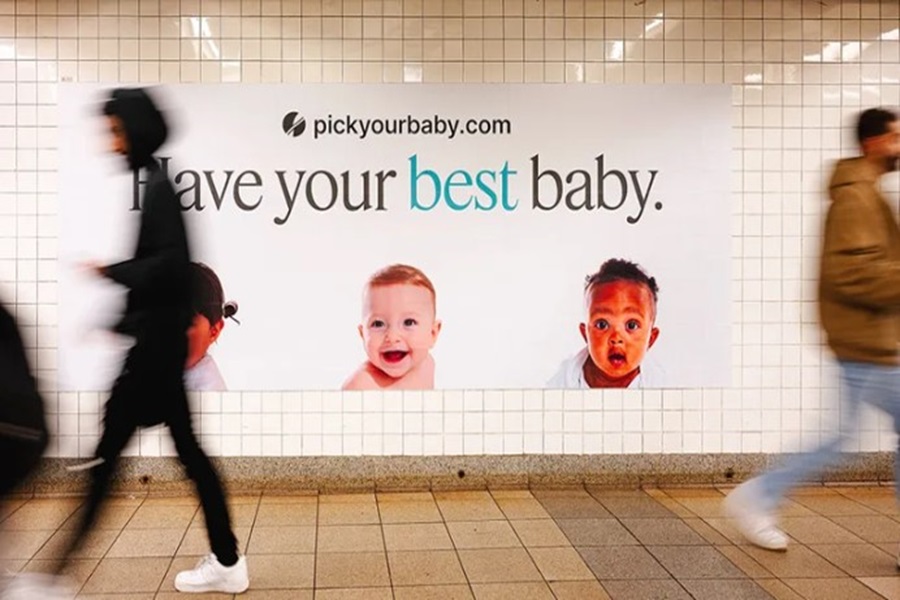
Critics are dismayed. Some worry firms are pushing immature technology onto vulnerable couples. Others say that even if the tech works, its use is immoral. Both arguments contain kernels of truth; neither is ultimately convincing. Banning or heavily restricting embryo screening would be a mistake.
批评者们感到震惊。 一些人担心这些企业正在将不成熟的技术强加给脆弱的夫妇。 另一些人则表示,即使技术可行,其使用也是不道德的。 这两种观点都有一点点道理,但最终都无法令人信服。 禁止或严格限制胚胎筛查将是一个错误。
For now, the debate is a niche concern. The startups mostly cater to the rich, famous and odd. Yet that will change. A wave of investment means that the cost of IVF is likely to fall. If offered embryo screening at the same time, many couples will take it. One survey suggests that three-quarters of Americans support screening embryos for diseases; about a third say the same for non-disease traits. And that is before competitive pressure kicks in. Who wants to see their child bested by genetically selected classmates?
目前,这场争论还只涉及小众群体。 这些初创公司主要服务于富有的、知名的和另类的客户。 但这种情况将会改变。 一波投资浪潮意味着体外受精的费用很可能下降。 如果在进行体外受精的同时提供胚胎筛查,许多夫妇都会选择接受。 一项调查显示,四分之三的美国人支持为筛查疾病而筛选胚胎;约三分之一的人支持为非疾病性状进行筛选。 而这还是在竞争压力发挥作用之前。 谁愿意看到自己的孩子被经过基因筛选的同班同学比下去呢?
Many medics—including nearly every genetics and reproductive-medicine group in the rich world—question whether such "polygenic" prediction is ready for consumers. In Britain, where fertility is more regulated than in America, selecting an embryo on the basis of non-approved factors is unlawful.
许多医学界人士——包括发达世界几乎所有的遗传学和生殖医学团体——都在质疑这种“多基因”预测是否已经准备好面向消费者。 在生育监管比美国更严格的英国,基于未经批准的因子筛选胚胎是违法的。
There are indeed reasons for caution. Polygenic scores are tricky. For many diseases caused by a single gene, testing offers near-certainty: if an embryo has the material, it will develop the condition. Yet an assessment of multiple genes leads to risk estimates, rather than a binary answer—and such estimates are more accurate for people with European ancestry, because they are better represented in genetic databases.
谨慎行事确实有其道理。 多基因评分颇为复杂。 对于许多由单基因引起的疾病,检测几乎可以提供确定性的答案:如果胚胎携带该基因物质,就会患上该病。 然而,对多个基因的评估只能得出风险估计,而非二元答案——而且这类估计对于有欧洲血统的人更为准确,因为他们在基因数据库中的代表性更强。
Further caveats are in order. Risk reductions can look large in relative terms but be small in absolute ones, particularly for rare diseases. Selecting for some traits may raise the risk of other less desirable ones. Even for highly genetically determined traits like height, parents remain limited by the range found in their own embryos.
还有更多需要注意的地方。 风险降低在相对数值上可能看起来很可观,但在绝对数值上可能很小,尤其是对于罕见病而言。 为某些性状进行筛选可能会增加其他不太理想性状的风险。 即使是对于身高这样高度由基因决定的性状,父母的选择仍然受限于他们自身胚胎中所能找到的范围。
These facts are an argument for disclosure, however, rather than legal restrictions or outright bans. If companies want to offer polygenic scoring, they must adequately communicate the technology's limits and risks. They should also let their tests undergo independent scrutiny. This will not scupper a nascent business, since the startups are not, as some critics allege, selling snake oil. A study in 2019 found that parents choosing from among ten embryos may be able to boost their child's height by 1-6cm and IQ by between one and seven points—with tech that is now nearly a decade old. As genetic databases get better and cover broader populations, and AI draws out the relationship between genes and traits, scores will improve.
然而,这些事实只是支持应当充分披露信息,而非支持法律限制或彻底禁止。 如果公司想要提供多基因评分,就必须充分告知该技术的局限性和风险。 他们还应该让自己的检测接受独立审查。 这并不会扼杀这一新兴行业,因为这些初创公司并非如一些批评者所指责的那样在兜售万金油。 2019年的一项研究发现,从十个胚胎中进行选择的父母可能能够将孩子的身高提高1至6厘米,智商提高1至7分——而所用技术至今已将近十年历史。 随着基因数据库不断改善并覆盖更广泛的人群,以及人工智能揭示出基因与性状之间的关系,评分的准确性将不断提高。
Such progress will raise difficult ethical questions. Some, including the "Make America Healthy Again" movement, argue that fertility tech corrupts what should be a natural process. Others worry that if polygenic screening is limited to the rich, their offspring will have another unfair advantage. The scariest critique is that fertility entrepreneurs are this century's eugenicists.
这样的进步将引发棘手的伦理问题。 一些人,包括“让美国再次健康”运动,认为生育技术破坏了本应是自然的过程。 另一些人担心,如果多基因筛查仅限于富人,他们的后代将拥有另一个不公平的优势。 最令人恐惧的批评是,生育企业家是本世纪的优生学家。
But none of these arguments stands up to scrutiny. "Unnatural" technology is already used in many modern births: this argument against embryo selection just as easily applies to IVF, for instance, which only zealots want banned. Costs should come down, making screening more widely available. And there is a big difference between the murderous coercion of early-20th-century eugenics programmes and parents seeking as much knowledge as possible when picking an embryo.
但这些论点都经不起推敲。 现代生育中已经大量使用“非自然”技术:例如,反对胚胎筛选的论点同样适用于体外受精,而只有狂热分子才想禁止体外受精。 成本应该会降下来,使筛查更加普及。 而且,20世纪初优生学项目中那种凶残的强制手段,与父母在选择胚胎时尽可能多地获取信息之间,存在着巨大的区别。
Couples desperate for a clever child might be better advised to focus on what happens after birth. Yet so long as parents understand there is no such thing as the perfect baby, the state should not stand in the way of a bit more information.
对于那些渴望拥有聪明孩子的夫妇来说,更好的建议或许是关注孩子出生后的养育。 但只要父母明白世上并不存在完美的婴儿,国家就不应该阻碍他们获取更多一点的信息。

 00: 01 / 05: 02